
NEWS

NEWS
NEWS
NEWS
BENEFIT DISTRIBUTION MECHANISMS
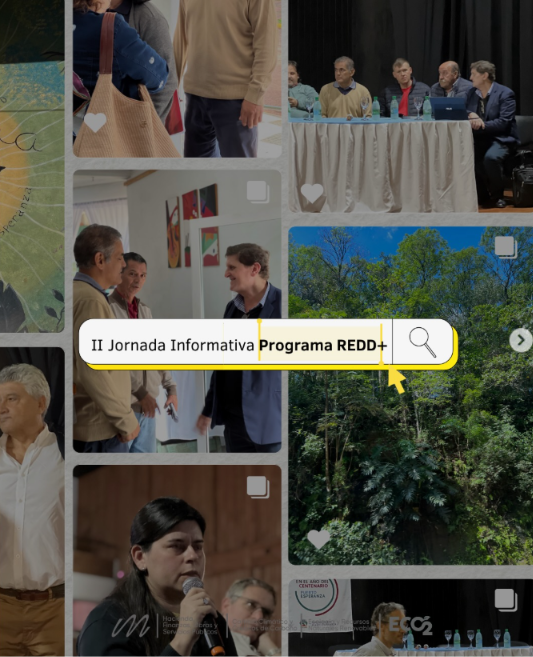
II REDD+ JNR PROGRAM INFORMATION DAY
We held the second day of the Information Workshop on the Benefit Distribution Mechanism (MDB) together with citizens of Puerto Esperanza, Andresito, Puerto Libertad, Wanda, Puerto Iguazú, San Pedro, Eldorado, National Parks, Civil Society references, owners of Native Forests, Private Sector and a strong representation of the communities of Puerto Iguazú: Fortín Mbororé, Iryapú, Yasy Porá, Tupá Mbaé, Ita Poty Miri; Eldorado: Tekoa Ysyry, Aguaí Poty and Renacer; Puerto libertad, Guapoy; El Alcázar, Perutí 🌱🛖
During the meeting, we detailed the brief evaluation scheme for owners who wish to be beneficiaries, recalling fundamental registration requirements and procedures governing international markets. The MDB is the tool that defines how the Government of Missions will allocate the funds resulting from the future sale of carbon credits, channeling them as non-refundable contributions through a transparent trust.
In perspective, it should be noted that sales will be made without increasing a single tax or taking on debt. With 100% voluntary participation of those who own Native Forest, in a responsible, financially sustainable way and in pursuit of the conservation of our resources.
Mechanisms for Distribution of Program Benefits
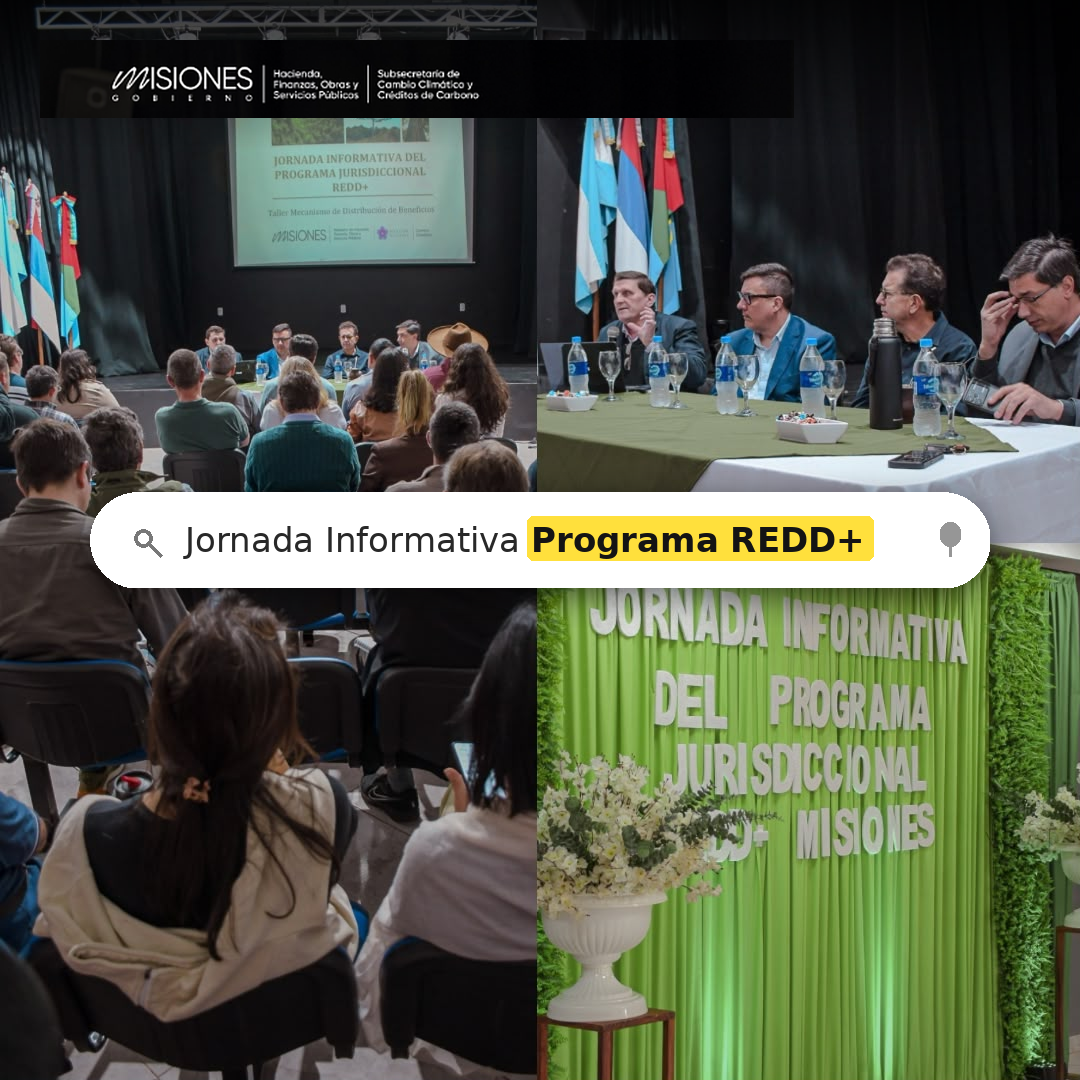
REDD+ JNR Program Information Day
Conserving our forests today generates a real and direct economic impact on the region🌳
We share some moments of what was the Information Day of the REDD+ JNR Program for the beneficiaries of the central area of the Province.
In it, the mechanisms for distributing the benefits of the Program were explained, we opened a space for dialogue and resolved doubts of the key actors💬
We appreciate the assistance of municipal officials, NGOs, SMEs, representatives of the original communities, owners, universities and private reserves.
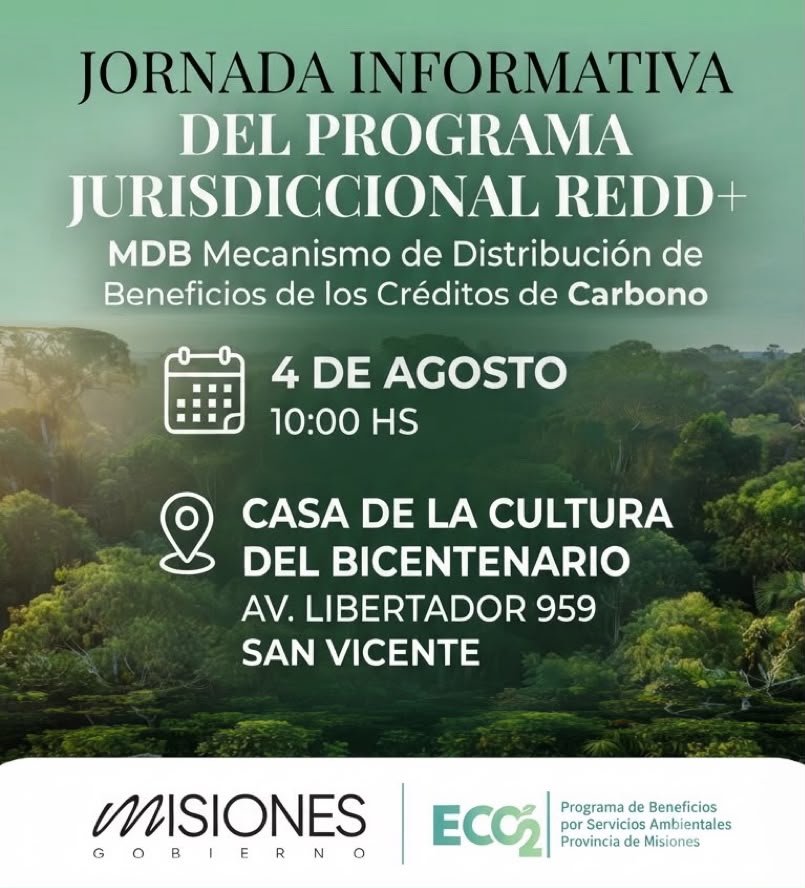
Information Day
We invite the community to participate in the information day on the Jurisdictional REDD+ program and the CDM of Carbon Credits
Tues., August 4
Casa de la cultura del bicentenario- Av. Libertador 959, San Vicente
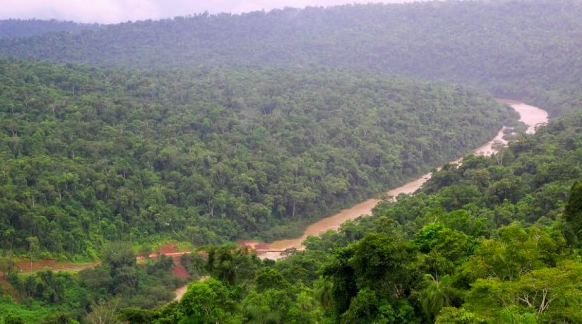
This was highlighted by the Senior Director of Government and Policy Engagement at Verra
Angelo Sartori: "the key to provincial success in overcoming the demanding international audits was patience and persistence"
The Senior Director of Government and Policy Engagement of Verra, the world's leading carbon credit certifier, confirmed the province's international prominence in an exclusive interview with Radio Up 95.5 FM de Posadas.
Misiones continues to consolidate itself as the environmental beacon of the region and a global reference model in climate change mitigation. This was confirmed by Angelo Sartori, Senior Director of Government and Policy Engagement of Verra, during an exclusive interview with Radio Up 95.5 FM of Posadas, in which he analyzed the historical development and current state of the JNR REDD+ Jurisdictional Program of the province.
Verra is the international organization that administers the most widely used and demanding carbon certification standards on the planet. In this context, Sartori's statements highlight the rigorous technical and institutional effort that Misiones has been supporting to channel direct international financing towards the preservation of its biodiversity.
"We always try to demonstrate with real examples the applicability of our programs... And without a doubt, here we have an example," said the director within the framework of the audit processes, reaffirming that the province carries out one of the most advanced subnational initiatives on the planet under the Jurisdictional and Nested REDD+ (JNR) standard.
The Misiones JNR REDD+ Program represents a true State policy designed to protect the Paranaense Forest (which is home to more than 52% of Argentina's biodiversity) through access to the voluntary carbon market.
For Sartori, the key to provincial success in overcoming the demanding international audits was the "patience and persistence, not only of the government as a proponent, but also of the private sector that has participated in different instances. Even from Verra we have been invited to several talks from the private sector of the Province to explain what the work we do is. And I say patience and insisting until things turn out, because the first time this was talked about since the provincial government was in 2019. This shows that there is continuity in the province's technical and strategic government teams. "
Through this mechanism, the reduction of carbon dioxide emissions by avoiding deforestation is demonstrated by Verified Carbon Units (VCUs). This represents one ton of that greenhouse gas that was not emitted into the atmosphere. That is, it translates into high-quality carbon credits, whose economic benefits will directly impact the public sector, private owners of native forests, small producers and communities of indigenous peoples.
At the beginning of June 2026, the Province of Misiones was the first sub-national jurisdiction in the world to achieve a historic environmental achievement in the carbon market with the international certification of Verra for the emission of 10,914,085 carbon credits corresponding to the period 2017-2022.
The program, officially registered under ID 4648 on the Verra website, marks an important milestone for carbon markets and governments seeking to align forest conservation with access to international climate finance and is the result of five years of hard technical, political and inter-institutional work in the Province of Misiones, where work was done on the preparation and publication of provincial laws, decrees and ministerial resolutions that gave legal support, political, environmental, social, financial and economic to the REDD+ Jurisdictional Program.
Unlike carbon projects that operate on a local scale, jurisdictional REDD+ programs accredit verified emission reductions in an entire jurisdiction, that is, the entire Province. The program in Misiones operates under Scenario 2 of Verra's JNR Framework, which allows a government to generate credits for forest areas not covered by any individual project.
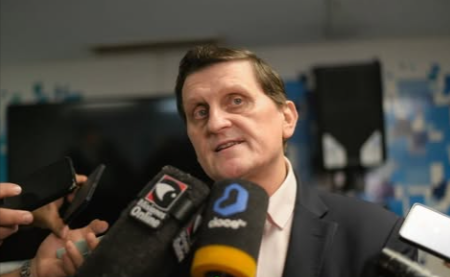
In the carbon market with Verra's international certification
Misiones reached a historic environmental milestone
The Province of Misiones is the first sub-national jurisdiction in the world to achieve a historic environmental achievement in the carbon market with the international certification of Verra for the emission of 10,914,085 carbon credits corresponding to the period 2017-2022.
The announcement was made by the Minister of Finance, Adolfo Safrán, in an interview this Wednesday, June 17, on FM Show, where he explained the scope of the provincial REDD+ jurisdictional program.
"This achievement is the direct result of conservation-oriented public policies: the deforestation rate in the province decreased from 20,500 hectares per year in 2017 to 5,400 hectares in 2022. This allowed us to validate the reduction of waste through carbon credits."
The program covers 1.5 million hectares of native forest under a fair and transparent benefit-sharing scheme:
* 40% allocated to environmental control, monitoring and oversight.
* 30% for registered private owners, recognizing their key role in conservation.
* 30% for deforestation reduction projects.
Misiones demonstrates that it is possible to combine the preservation of natural heritage with a green, sustainable and global avant-garde economic model.
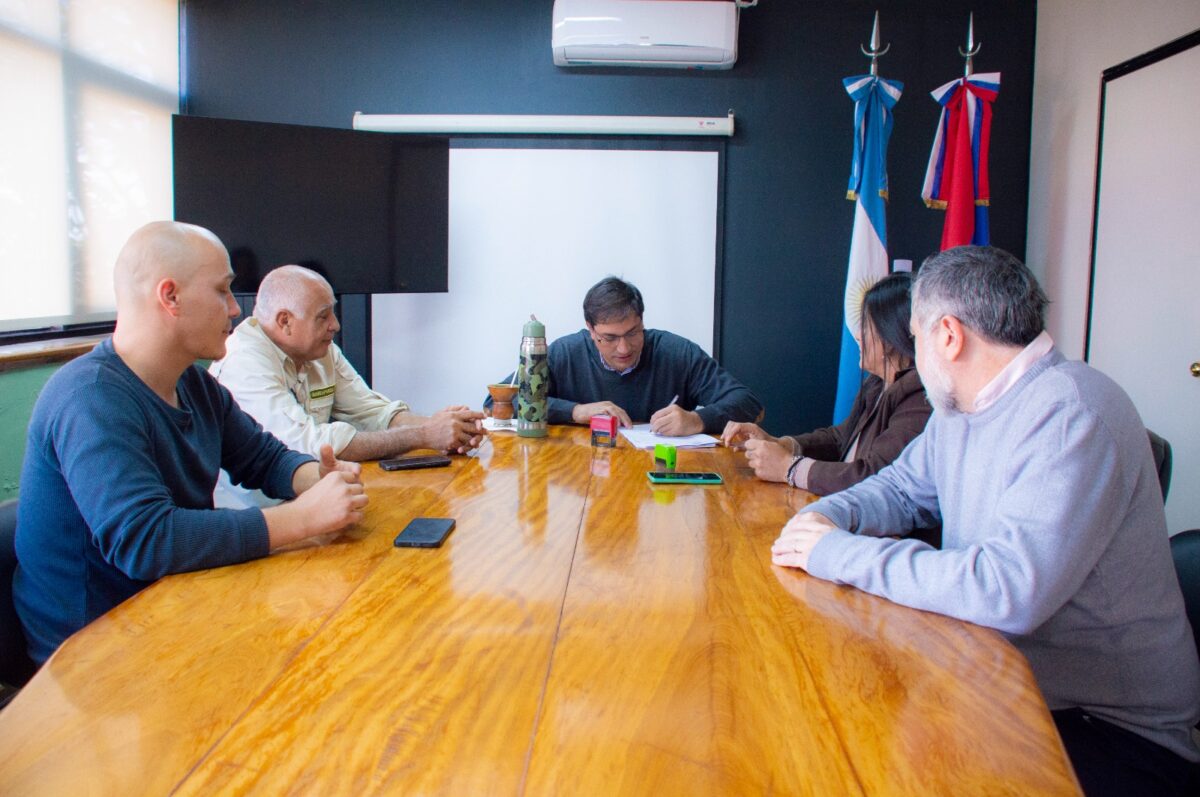
Cooperation agreement between the Ministry of Ecology and the municipality of Depth
Improvement in the infrastructure and attention of Cañadón Park
The Ministry of Ecology and Renewable Natural Resources of Misiones signed a cooperation agreement with the municipality of Depth to strengthen the public use of the Cañadón Provincial Park, guaranteeing better conditions for visitors.
From this agreement, the Municipality of Depth will assume responsibility for the collection of tickets, in addition to the maintenance of the quinchos, bathrooms and parked spaces of the property. The agreement will also ensure connectivity in the area, improving the experience of tourists and facilitating the tasks of the personnel working in the area.
The signing of the agreement was attended by the Minister of Ecology, Arch. Martín Recamán; the Intendant of Depth, Silvia Estigarribia; and the Undersecretary of Ecology, Facundo Ringa.
The agreement will last two years and seeks to strengthen the articulated work between the Ministry and the municipality to guarantee better services, maintenance and attention in the tourist and recreational space.
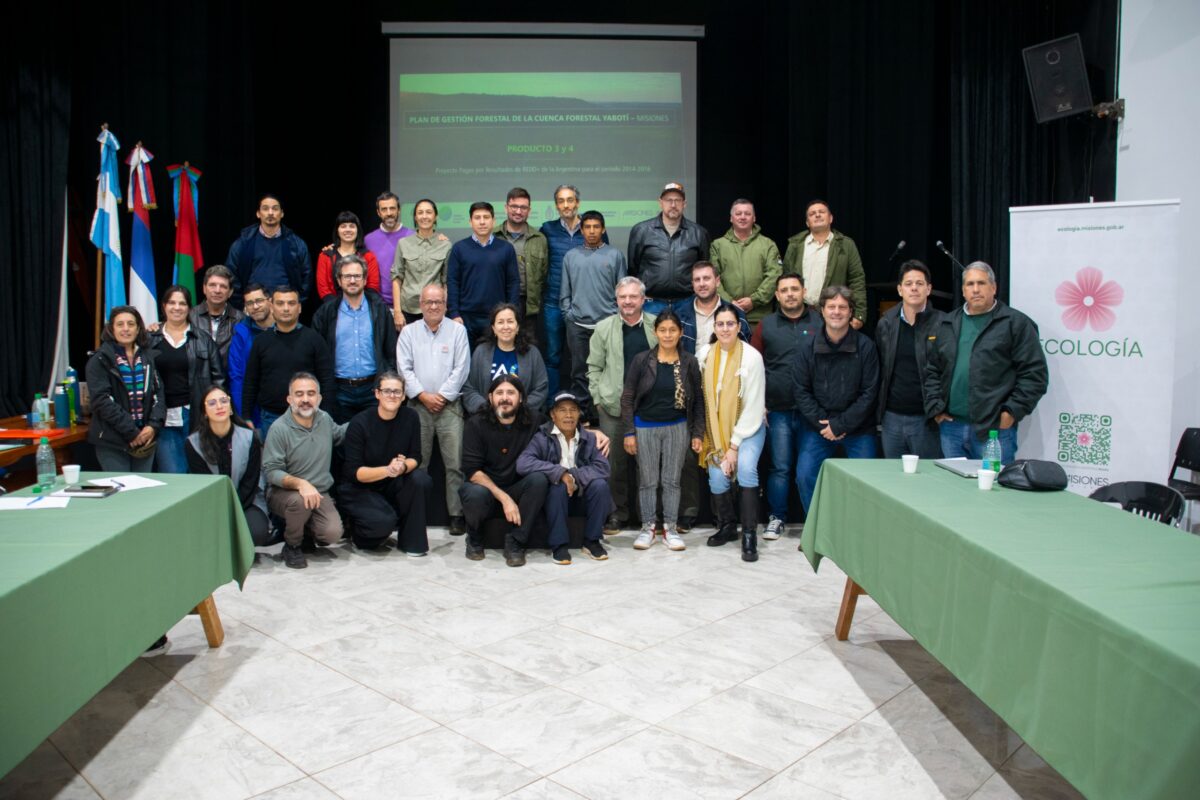
Yabotí Forest Basin prepares to execute
Key conservation investments
The Yabotí Forest Basin continues to consolidate strategic actions for the conservation of native forests and the sustainable development of the territory. Within this framework, the Ministry of Ecology and Renewable Natural Resources of Misiones led the seventh meeting of the Yabotí Forest Basin Committee, held at the House of Culture of the Bicentennial of San Vicente.
During the day, the central axes of the Investment Plan corresponding to the REDD+ Results Payment project in Argentina were presented, detailing the works, activities, investments and treatments that may be financed in the territory of the basin. Likewise, the members of the committee made progress in the analysis and definition of the proposals that will be incorporated into the investment plan.
The minister of Ecology of Misiones, Martín Recamán; the general director of Native Forests, Milton Morán; the advisor of the Ministry of Ecology and coordinator of the Carbon Credits Program, Augusto Abdulhadi; the mayor of Fracrán, Juan Carlos Fernández; the coordinator of FAO, Francisco Yofre; on behalf of the Undersecretariat of Environment of the Nation, Paola Dubokovic, in addition to the different sectors that make up the Committee.
The Yabotí Forest Basin is part of Argentina's REDD+ Pay for Results Program, funded by the Green Climate Fund through the Food and Agriculture Organization of the United Nations (FAO). This program recognizes the efforts made to reduce deforestation and greenhouse gas emissions, contributing to the conservation of native forests and the sustainable development of territories.
As a result of these efforts, Argentina received $82 million from the Green Climate Fund. Of that total, 1.5 million dollars will be allocated to the Yabotí Forest Basin to finance actions that benefit the various actors that make up this territory, including forest owners, workers, sawmills, public, private and educational institutions.
Currently, the Green Climate Fund is the main international financing mechanism for developing countries to face the challenges of climate change through concrete mitigation and adaptation initiatives with a territorial focus, strengthening the conservation of natural resources and promoting opportunities for sustainable development.
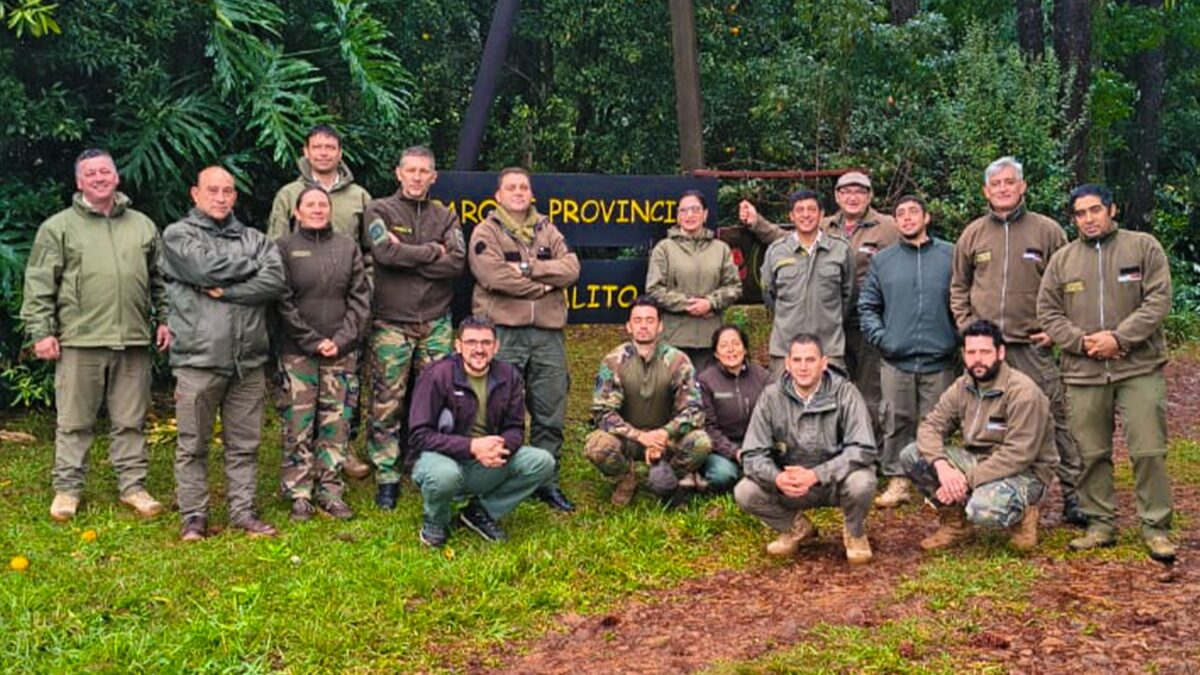
Provincial rangers lead the elaboration
Management Plans in protected areas of Misiones
The Ministry of Ecology and Renewable Natural Resources advances in a historical fact for the system of protected natural areas of the province: for the first time, the Management Plans of provincial parks are being prepared by provincial park rangers, who lead the process with the accompaniment and technical advice of an external specialist.
Within this framework, internal workshops were held on June 9 and 10 in the Cruce Caballero and Piñalito Provincial Parks, as part of the process of preparing the respective Management Plans. The conference brought together 21 park rangers working in both protected areas and aimed to deepen the diagnosis of each park.
During the meetings, the main conservation values were identified and a SWOT analysis (Strengths, Opportunities, Weaknesses and Threats) was carried out, incorporating the experience and territorial knowledge of those who carry out daily tasks of protection, monitoring and management of natural resources.
The process began in April with the formation of work teams composed of park rangers and the general coordination of an external specialist. The preparation of these documents will be extended until the beginning of 2027 and will include new participatory instances together with other key actors linked to the management and conservation of protected areas.
This methodology aims to strengthen the technical capacities of the Ranger Corps of the Province of Misiones, allowing the knowledge and tools necessary for the planning and management of protected natural areas to be installed within the institution, consolidating greater autonomy and management capacity for future processes.
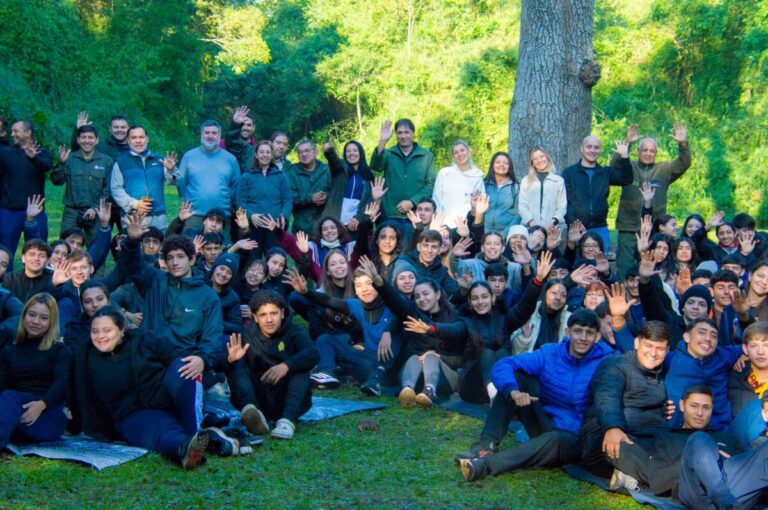
Powered by the Ministry of Ecology and RNR
Environmental Chairs to Promote Awareness of Missionary Biodiversity
With the aim of strengthening environmental education and generating spaces for reflection on the conservation of natural resources, the Ministry of Ecology has been developing a series of open environmental chairs aimed at students of different levels and educational institutions in the province.
The seminars address issues related to missionary biodiversity, the importance of the Paranaense Forest, the conservation of natural resources, climate change, natural protected areas, environmental management and the challenges faced by the province in terms of sustainability.
Through data, management experiences and concrete examples of the work carried out in the territory, the talks seek to bring students a comprehensive look at the natural heritage of Misiones and the collective responsibility involved in its care and preservation.
The activities were carried out at the School of Commerce No. 6, with students of the Accounting Technician and International Trade orientations; at the Martín de Moussy Higher Institute, together with students of the Technician in Environmental Management; at the Antonio Ruiz de Montoya Higher Institute, with students of the professorships in Biology and Geography; at the Catholic University of Santa Fe, where students of the Law and Architecture majors participated; in the municipality of Depth, with students from the Faculty of Physical Education of the ISARM and in the Faculty of Art and Design, in Oberá.
These activities seek to weigh the importance of generating these spaces for exchange with young people and future professionals, promoting an environmentally committed citizenship and strengthening the link between academic knowledge and the real challenges of conservation.
The environmental chairs are part of a strategy of awareness and training that seeks to consolidate a culture of respect and appreciation of biodiversity, contributing to the construction of a province that is increasingly aware of the natural wealth it houses and the need to protect it for future generations.
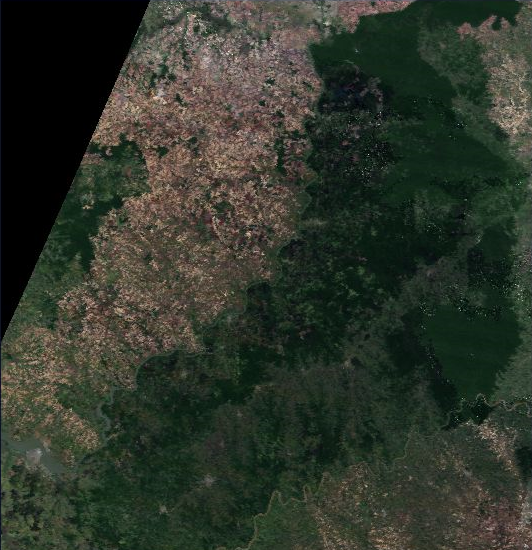
Echoes of a historic landmark for the province and our Selva Paranaense
The world and the region highlight Verra's global certification on the JNR REDD+ Program of the Province of Misiones
Following yesterday's historic announcement about the certification and official registration of our REDD+ Jurisdictional Program (ECO2 Program) in Verra, the impact of the news continues to escalate at the provincial, national and global levels. This achievement, which positions the Province of Misiones as an undisputed pioneer in jurisdictional climate action, has captured the attention of the main media and leading institutions in the field.
The significance of this certification lies in its direct impact on the Selva Paranaense. The approval to issue more than 10 million credits (VCUs) corresponding to the period 2017-2022 is the international guarantee that guarantees financing to continue conserving approximately 1.5 million hectares of Atlantic Forest. Misiones thus demonstrates to the world that keeping the forest standing is a tangible, auditable and globally valued State policy.
The echo in the press and in the specialized sector The environmental and institutional impact of this measure quickly echoed across multiple platforms, transcending the province's borders. Leading portals and sectoral entities have dedicated central spaces to analyse the issue:
At country level Argentina Carbon Table highlighted the key role of the province in the region: "Argentine project in Misiones achieves international carbon certifications and consolidates national leadership in climate action".
The specialized portal Argentina Forestal highlighted the achievement for the sector: "Missions: Verra certifies its first jurisdictional forest carbon program worldwide".
The Voice of Missions underlined the magnitude of the event at the local level: "Misiones marks a milestone with global forest carbon certification".
For its part, Economies focused on the financial opportunities that open up for the jurisdiction: "Verra approved the Misiones carbon program: a global milestone and funding to conserve the rainforest".
In the technical field, the news was celebrated as an unprecedented success story. The developer firm Coralia Environmental, a key piece that accompanied the entire certification process with the following actions:
→ ¶¶¶¶¶¶¶ ¶ ¶ ¶¶¶ ¶¶¶¶¶¶¶¶ ¶¶ ¶¶¶¶¶¶¶¶¶ ¶ ¶ ¶¶ ¶¶¶¶¶¶¶¶ (¶¶)
→ â € ¢ â € ¢ â € ¢ â € ¢ â € ¢ â € ¢ â € ‹ â € ‹ â € ‹ â € ‹ â € ‹ â € ‹ â € ‹ â € ‹ â € ‹ â € ‹ â € ‹ â € ‹ â € ‹ â € ‹ â € ‹ â € ‹ ‹ â € ‹ â € ‹ â € ‹ â € ‹ â € ‹ â € ‹ â € ‹ â € ‹ â € ‹ â € â € ‹ â € ‹ â € ‹ â € â € ‹ ‹ â € ‹ â € ‹ â € ‹ â € ‹
→
→ ¶ ¶¶¶ ¶¶ ¶¶¶¶ ¶¶¶ ¶¶ ¶ ¶¶¶ ¶¶¶ ¶ ¶¶ ¶¶ ¶ ¶¶
→ ¶¶¶¶¶¶¶ ¶¶ ¶¶¶¶¶¶¶¶¶¶¶¶¶ ¶ ¶¶ ¶¶ ¶ ¶¶ ¶¶¶¶¶ ¶¶¶¶¶
→ )
In this sense, Coralia Environmental sized the scale of the project through a post to your official LinkedIn account. With deep reflection, the firm highlighted:
“Some stories are told by word of mouth. Others are written in documents, in data, in technical reports. And there are a few, the largest, that no longer need anyone to tell them: they are seen from space. Today that story adds a historical chapter."
Coralia also highlighted a fundamental fact that reaffirms provincial leadership: it is the first Verra JNR program in the world to reach this instance being led by a government.
To delve into the technical aspects and development of this scheme, which is now a global model, you can visit the analysis published in the coralia's official site on the JNR Misiones Project.
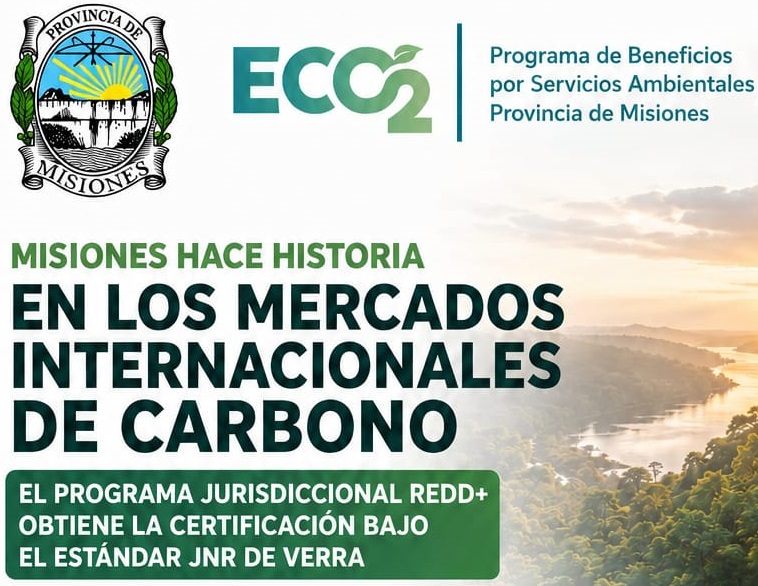
The province makes history in international carbon markets
Misiones obtained the official certification and registration of the Verra JNR REDD+ Standard
Misiones has just reached one of the most important environmental milestones in its history. The international organization Verra, responsible for the world's leading carbon credit certification standard, approved the Misiones Jurisdictional REDD+ Program, making it the first government-led forest carbon program in the world registered at the jurisdictional level under the JNR (Jurisdictional and Nested REDD+) framework of the Verified Carbon Standard (VCS) system.
The program, officially registered under ID 4648 on the Verra website since June 2, 2026, marks an important milestone for carbon markets and governments seeking to align forest conservation with access to international climate finance and is the result of five years of hard technical, political and inter-institutional work in the Province of Misiones, where work was done on the preparation and publication of provincial laws, decrees and ministerial resolutions that gave legal, political, environmental, social, financial and economic support to the REDD+ Jurisdictional Program.
Unlike carbon projects that operate on a local scale, jurisdictional REDD+ programs accredit verified emission reductions in an entire jurisdiction, that is, the entire Province. The program in Misiones operates under Scenario 2 of Verra's JNR Framework, which allows a government to generate credits for forest areas not covered by any individual project. Under this scenario, projects must be integrated into the program using their approved baselines to ensure accurate accounting of emissions reductions. Misiones is the first program in the world to obtain certification through this route.
The program is led by the Government of the Province of Misiones and covers approximately 1.6 million hectares of native Selva Paranaense in our province. During the first six years (2017-2022), the program generated approximately 10 million tons of CO₂e in verified emission reductions.
The certification reflects years of coordination between various provincial institutions, technical teams, market players and their independent validation and verification body (VVB). It demonstrates that subnational governments can develop and implement programs capable of participating in international carbon markets, while promoting broader public policies and forest protection objectives.
“This program demonstrates what is possible when governments lead the fight against climate change. Misiones created the institutions, policies, and partnerships needed to protect its forests and bring the results of that work to market. This is what success looks like when public policies and carbon markets work together.”
Mandy Rambharos, Executive Director of Verra, explained, “This program demonstrates what is possible when governments lead the fight against climate change. Misiones created the institutions, policies, and partnerships needed to protect its forests and bring the results of that work to market. This is what success looks like when public policies and carbon markets work together.”
This approval is expected to drive the development of additional programmes under the VCS JNR in Argentina and countries in Latin America, Africa and Asia exploring jurisdictional-scale approaches to climate finance and forest protection.
The programme provides a replicable model for other national and subnational governments seeking to align climate policy objectives, forest conservation priorities and access to international carbon markets.
The program is now listed as registered in the Verra Registry.
Verra is a global leader in tackling the world's most complex environmental and social challenges. Verra supports climate action and sustainable development through standardized programs and tools that credibly, transparently, and rigorously assess environmental and social impacts and facilitate funding for the maintenance and scaling up of projects that generate these benefits in a verifiable manner.

Towards a federal framework for carbon markets in Argentina and integration into global finance
Misiones leads the national debate
With the presentation of the successful case of the JNR REDD+ Program of Misiones, the Senate of the Nation hosted a historic day that culminated in the creation of the Interjurisdictional Board of Carbon Markets, composed of 11 provinces, aimed at promoting the articulation between provinces, productive sectors, financial actors and public bodies, with the aim of building a federal strategy on carbon markets, climate financing and transition to a low-emission economy.
The Blue Room of the Senate of the Nation was the scene of the conference "Towards a framework for the development of carbon markets and their integration into the capital market". The event, promoted by the national senator for Misiones, Sonia Rojas Decut, and her peer for Salta, Flavia Royón, brought together specialists in climate finance together with the Minister of Finance, Finance, Works and Public Services of Misiones, CPN. Adolfo Safrán; Secretary of State for Climate Change of Misiones, Lic. Gervasio Malagrida; the former Governor of Misiones, Dr. Oscar Herrara Aguad; the founder and Vice President of the Argentine Carbon Exchange, Magister Aleandra Scafati; the Secretary of International Economic Relations of the Ministry of Foreign Affairs of International Trade and Worship, Minister Fernando Brun and the CPN Maximiliano Galli.
The hall was completed with the presence of national senators and deputies from Salta, Jujuy, Catamarca, Chaco, Corrientes, Misiones, Mendoza, San Juan, Río Negro, Chubut and Buenos Aires as well as ambassadors and leaders from the private sector to discuss Argentina's immense environmental and economic potential.
The day proposed to generate a space for dialogue and exchange on the challenges and opportunities for the development of carbon markets, sustainable financing and the construction of a clear federal legal framework.
During the day it was demonstrated that sustainability ceased to be only an environmental limit to become an engine of innovation, competitiveness and economic sovereignty. Misiones, faithful to its history of environmental vanguard, positioned itself as the great model to follow nationally and internationally.
Senator Sonia Rojas Decut said that Misiones wants to incorporate the debate on the framework for the development of carbon markets in Argentina into the national legislative agenda since the country is facing an enormous opportunity to transform its natural heritage into a platform for innovation, investment, and competitiveness. He stressed that the bill presented seeks to facilitate the development of voluntary carbon markets and their integration into the capital market. "Today the data in the world show that conserving translates and ensures the sustainability of wealth", he said, highlighting that Misiones has made the political decision to protect the forest and biodiversity for decades with the construction of environmental governance.
"The main objective is for ecosystem services to be transformed into verifiable environmental assets of high economic value in the face of a new global economy. For a long time it was believed that betting on the conservation of the environment was linked to the limit to grow, but today the data in the world shows the opposite," explained the missionary senator.
The bill of the Province of Misiones presented in the Senate is based on three pillars: converting the conservation of natural resources into a sector of the real economy; the second pillar is to integrate the environment into the capital market and the third is to promote environmental federalism.
For the first pillar, the Misiones bill allows ecosystem services, such as carbon coverage, forest and biodiversity protection to be transformed into verifiable environmental assets of high economic value to attract international investment, generating climate finance, creating green jobs, boosting financial and technological innovation and monetizing the enormous environmental value that Argentina and Misiones provide free of charge to the world, which today is investing in decarbonization, sustainability and traceability.
The second pillar, the project of the Province of Misiones proposes something historic: connecting carbon credits with the Argentine financial system. That is, environmental assets may support financial instruments, be integrated into green bonds, trusts and investment funds, including digital traceability and tokenization.
The third pillar of the bill has to do with defending environmental federalism related to the original dominance of the provinces over their natural resources and guarantees that those provinces that decide to conserve will benefit from the new climate economy.
The Minister of Finance of Misiones, Adolfo Safrán, was in charge of presenting the concrete progress of the province. In a blunt phrase, he illustrated the missionary strategic vision: "What is the main product that Misiones produces? It is oxygen. Today the world pays for that product that elaborates missions and many other jurisdictions."
Safrán said that carbon credit is an environmental asset: it is what the world and the market recognize from the capture of 1 ton of CO2 as opposed to a green bond, which is a debt instrument to finance sustainable projects linked to environmental care.
Misiones began this journey in 2021 and today is in the final stage of certification under the demanding Verra standard and the AENOR audit. In 2024, with the missionary decree 2179, the regulatory scaffolding was launched that establishes the mechanisms of benefit distribution, the recognition of private owners who want to participate, the calculation of benefits and the traceability of payments to those who participate in the projects in a coordinated work between the Ministry of Finance, the Ministry of Ecology and the Secretary of State for Climate Change. Misiones chose scenario 2 of Verra, which consists of allowing private owners to participate in the project. Safrán explained: "Today the private owner can do their own project, that is called nesting or they can participate with the JNR program of Misiones. Today there are many private owners and first-rate companies with forest plantations that participate in this project." Safrán stressed that the province has more than 10,900,000 carbon credits of the highest quality to be certified for the period 2017-2022 "and then we will continue with the second stage". In this sense, the missionary finance minister summarized: "These funds, guaranteed by a transparent traceability system through a trust in Banco Macro, will be distributed in three accounts."
Specifically, they are: account 1, called "Fund for the Promotion of Sustainable Missionary Development" which is subdivided into: Indigenous Peoples; Municipalities; NGOs, SMEs, Cooperatives and the productive sector; Educational institutions and reserve funds. Account 2, called "Forest Account" subdivided into Direct payments to private individuals; Base payments to small owners and Reserve funds. Finally, account 3, called "Program Operation", subdivided into Investments and Strengthening; Operations and Reserve Funds.
The head of the economic portfolio of Misiones then explained that the JNR program for the red land "serves to reduce deforestation and that is done by controlling illegal grazing, controlling illegal occupation, and limiting the advance of the agricultural border."
Safrán clarified that these credits can be marketed in two markets: "voluntary unregulated markets where a ton of CO2 is at 5 dollars and the regulated market, where companies that have to present environmental balance sheets pay a better price. That is why we seek to market in the regulated market, not only in the voluntary market, for a matter of better prices, which generates a greater income of foreign currency for Argentina. And our initiative has no tax cost for Argentine companies, nor does it impose a regulated cost. "
For his part, Fernando Brun indicated that the World Bank's records "account for 80 carbon price instruments in operation. Carbon is becoming a tradable economic asset that begins to impact international trade." In addition, Brun explained, “The global voluntary market for carbon credits today is the common denominator, but it's not enough. It is a private, unregulated segment that moves 1.4 billion dollars. That is why governance is needed to be able to amplify and accelerate it. According to estimates by international consultants, the global carbon trading market could reach a floor of 5 billion dollars by 2030 while the global supply of credits could multiply between 20 and 35 times by 2050. Carbon markets transform capture and conservation capacity into financing, investment, innovation, and income generation for provincial economies. ”
Meanwhile, CPN Maximiliano Galli, public finance advisor, spoke about the opportunity represented by international demand, specifically in the civil aviation sector through the CORSIA initiative, with a projected demand of 236 million tons of CO2e. He stressed that the Misiones program is one step away from being able to market its credits at a differential value. The Misiones JNR program carried out the first monitoring report covering the years 2017-2022 on a baseline from 2009 – 2014.
To achieve this, Misiones is waiting for a fundamental step by the National Government: the issuance of a Letter of Authorization (LOA) that allows the "corresponding adjustment" to be made to avoid double accounting. "Obtaining this guarantee would allow Misiones to place its credits in compliance markets at much higher prices (estimated at $25 dollars per ton), which would represent revenues of more than An additional $42 million alone or with the credits eligible by CORSIA, without implying any fiscal or regulatory cost for the country. That number of 42 million is the product of the number of credits eligible by CORSIA against the price differential of selling them at $25 on the regulated market or selling them on the voluntary market at $10 or less. Therefore, Misiones is asking the government of the nation for a national authorization letter to authorize the province to transfer 2,880,196 million eligible credits within the CORSIA initiative because, according to our technical document of the JNR program, they are the credits that fall within the years 2021 and 2022, "Galli said.
Finally, the advisor pointed out that, in 2025, the world's airlines emitted 942 million tons of CO2, or 2.5% of global emissions.
The closing of the event marked a political and institutional milestone. Under the leadership of Misiones, 11 Argentine provinces signed the conformation of the Inter-jurisdictional Board for the Development of Carbon Markets.
This space will seek to articulate regulations, demand regulatory predictability and formally request the national authorities the necessary tools so that the provinces can integrate their certified carbon credits into the international market, rewarding the silent effort of generations that bet on the conservation of the future.
Relive the full lecture here: https://www.youtube.com/live/WrJWMCfiUBE
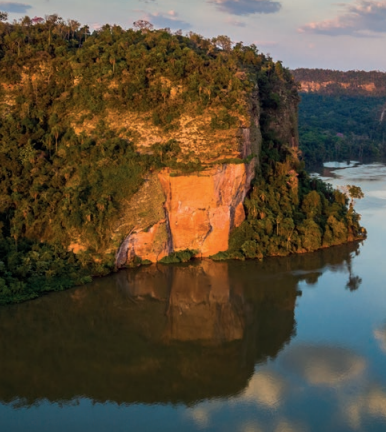
New Reserve "Rojaijú Yvorasa"
2nd Private Reservation Meeting
In a historic day for the environmental policy of Misiones, Governor Hugo Passalacqua led the 2nd Meeting of Private Nature Reserves in Posadas at the Aníbal Cambas Museum. The site brought together owners, environmental leaders and provincial authorities to strengthen joint work on environmental conservation.
The central milestone was the signing of the incorporation of the "Rojaijú Yvorasa" reserve into the System of Protected Natural Areas.
The reserve assumes the critical challenge of linking the Yabotí Biosphere Reserve with the Urugua-í Provincial Park, guaranteeing the flow of biodiversity.
Meaning: Its name, Rojaijú Yvorasa, means "I love the Universe" in Guarani and was promoted by biologist Camila Miravalles Stasta.
Located in the Piñalito Sur area, opposite a provincial park and on the edge of National Route 14, the reserve covers some 350 hectares at a point considered strategic for ecological connectivity.
The project is structured in three fundamental pillars. The first is biological connectivity, with the projection of initially building an aerial wildlife crossing on Route 14, as a more accessible solution in a first stage. In the long term, the goal is to move towards an eco-pipeline that allows a safe crossing for different species.
The second axis is environmental education since there are four schools surrounding the reserve and the private initiative will look for students to take guided tours and even stay overnight.
The purpose will be to generate a new look at the jungle, not only as a productive resource, but as a space of ecological and cultural value.
Finally, the third pillar will target scientific research with a biological station.
In addition, during the meeting, funds from the Misiones Forest Law were delivered to those who have most conserved our natural heritage and non-refundable contributions for conservation projects.
These resources allow private landowners to install trails, shelters, and monitoring systems, transforming conservation into a sustainable activity. For the ECO2 Program, this represents a direct improvement in the "additionality" and "permanence" of the environmental services that the province certifies to international markets.
The recipients of the funds were owners distributed in different parts of the province, in addition to including municipal reserves (such as Eldorado) and provincial parks. In the latter case, three protected areas will receive funding to develop or strengthen their management plans, some of them for the first time.
Private reserves are a very important category because it is voluntary: the owner decides to commit to conservation for a period of 10 years, allocating their land for this purpose.
Currently, Misiones has 56 private reserves and, within the framework of this meeting, a new one was added, consolidating the growth of this figure within the provincial environmental system.
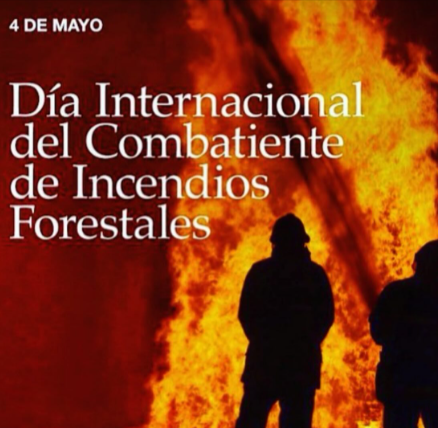
Keepers of Carbon and Biodiversity
International Wildfire Fighter Day
On International Wildfire Fighter Day, the ECO2 Program it pays tribute to the men and women who risk their lives to protect Argentina's greatest green treasure: the Parana rainforest.
In our province, the fight against fire is not just an emergency task, it is a direct action to mitigate climate change. Each hectare of forest that is saved from forest fires represents tons of carbon that remain captured, guaranteeing the integrity, permanence and solidity of the environmental services that Misiones offers to the world.
Througout the Provincial Fire Management Plan, Misiones has highly trained and equipped brigades that operate under an early warning, constant monitoring and rapid response scheme. Their preventive work, combined with in-depth knowledge of the territory, is the invisible shield that protects biodiversity and ensures the success of our environmental benefits program.
Today we greet and thank those who, with courage and professionalism, take care of the air, water, wildlife and the future of all missionaries.
Guardians of our natural capital!
Patrol operations in Provincial Parks
Guardians of our natural capital!
The ECO2 Program is strengthened with each action in the territory of the Rangers of the Ministry of Ecology and RNR. The tasks included land and river patrols, preventive tours, dismantling of illegal camps and procedures for infractions related to poaching and the improper use of natural resources.
In recent operations in the Esmeralda, Urugua-í and Cuñá Pirú Provincial Parks, the following was achieved:
- Dismantle poaching camps.
- Arrest offenders and hijack weapons and vehicles.
- Remove illegal fishing nets in protected areas.
In the Yabotí Biosphere Reserve, the Jungle Operations Group (GOS) patrolled sensitive sectors on the border with Brazil for three days. There, five motor vehicles and three firearms were kidnapped, in addition to the destruction of seven onions for illegal hunting, a trap with a waiting post for birds and clandestine water collection systems that diverted the resource to the neighboring country. This operation involved the participation of 15 park rangers and three official vehicles in a strategic deployment in the jungle. In turn, in the Cabure-í Multiple Use Reserve, park rangers from the northern area together with the Directorate for the Defense of the Environment and Rural Crimes carried out river kayak patrols on the Iguazú River, in the sector of the Parque Provincial Complejo de Islas Grandes. During the tour, indications of unauthorized activities were identified, such as recent stoves, remains of campsites and a precarious boat on an adjoining property.
Finally, during patrols carried out this weekend, DOG rangers surprised two people hunting illegally in the buffer zone.
What do we protect with this?
Biodiversity is the basis of Environmental Services. Without our wildlife, the carbon cycle and water health are threatened. By curbing poaching, we ensure that the value of the missionary jungle continues to grow.
Total commitment to wildlife!
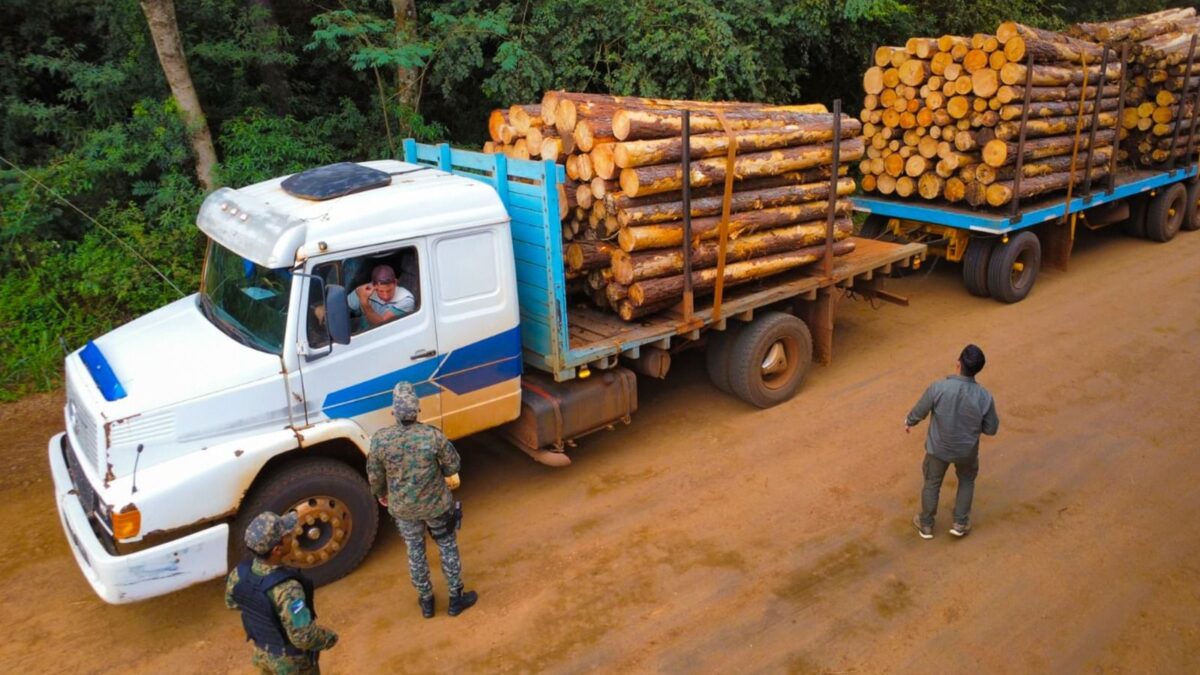
The Importance of a Present Missionary State
Forest control to protect the natural heritage of ECO2
The commitment of the Province of Misiones to the preservation of its environmental services translates into concrete actions in the territory. Recently, the Ministry of Ecology and RNR carried out simultaneous control operations in San Javier, Apóstoles, Pozo Azul and Fracrán, managing to curb illegal activities that put the integrity of our ecosystem at risk.
Audit Findings
Saint Xavier and the Apostles: Irregular batches were found in coastal areas and controls on the transport of native wood were strengthened.
Blue Well: Minutes were drawn up for small-scale clearings detected through monitoring.
Fracrán: In the vicinity of the Caá Yarí Private Reserve, an illegal extraction operation was dismantled, resulting in the kidnapping of heavy machinery (motor trawler).
These interventions are pillars for the ECO2 Program. To ensure that benefits from environmental services are effective, it is vital to ensure that there is no carbon leakage or forest degradation. With each operation, Misiones reaffirms its position as a leader in the protection of biodiversity and in the transparency of its environmental assets.
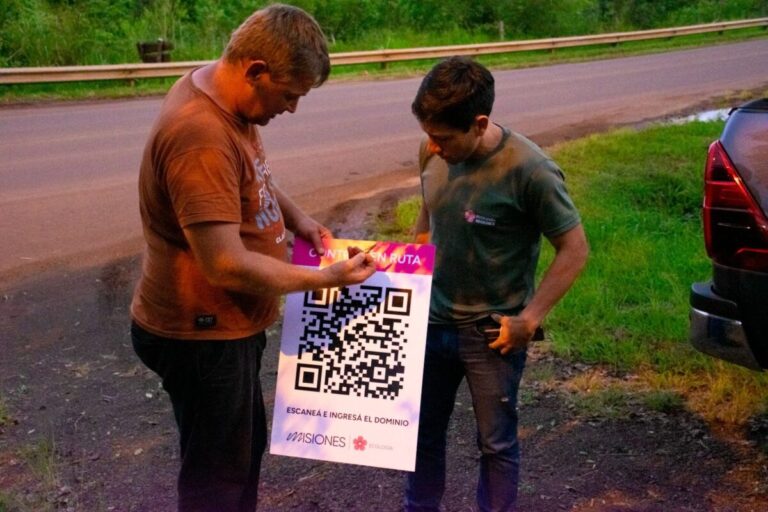
Technology and transparency with digital traceability
Misiones strengthens oversight to ensure the integrity of the ECO2 Program
The Ministry of Ecology and RNR has taken a strategic step in the protection of our Paranaense rainforest. By delivering new equipment and digital tools in key delegations such as San Javier, Andresito, Colonia Aurora and El Soberbio, the province reinforces forest control, a fundamental axis for the success of the Environmental Services Benefits Program (ECO2)Towards the end of the fifties I was greatly moved at reading in a musical paper the account of a concert at Eisleben, consisting of parts of Tannhäuser, at
The incorporation of QR codes in personnel credentials and, fundamentally, in the transport of forest products, marks a milestone in traceability. Now, both law enforcement and the public can verify the legality of uploads in real time.
This modernization not only optimizes the work of our agents, but ensures that the environmental services that Misiones offers to the world are supported by a robust, transparent and auditable monitoring system. With greater control, we protect the value of our biodiversity and ensure that the benefits of conservation continue to drive our green economy.
Technology and transparency with digital traceability
Misiones strengthens oversight to ensure the integrity of the ECO2 Program
The Ministry of Ecology and RNR has taken a strategic step in the protection of our Paranaense rainforest. By delivering new equipment and digital tools in key delegations such as San Javier, Andresito, Colonia Aurora and El Soberbio, the province reinforces forest control, a fundamental axis for the success of the Environmental Services Benefits Program (ECO2)Towards the end of the fifties I was greatly moved at reading in a musical paper the account of a concert at Eisleben, consisting of parts of Tannhäuser, at
The incorporation of QR codes in personnel credentials and, fundamentally, in the transport of forest products, marks a milestone in traceability. Now, both law enforcement and the public can verify the legality of uploads in real time.
This modernization not only optimizes the work of our agents, but ensures that the environmental services that Misiones offers to the world are supported by a robust, transparent and auditable monitoring system. With greater control, we protect the value of our biodiversity and ensure that the benefits of conservation continue to drive our green economy.
Missions pulse is blue
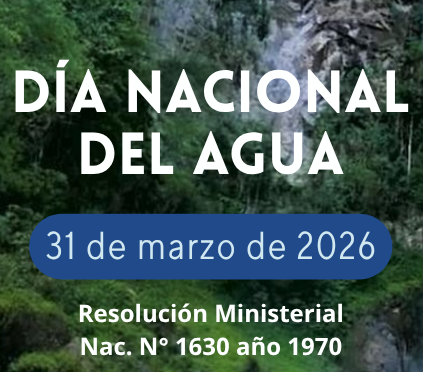
National Water Day
Our rivers and streams nourish our Missionary Forest. But they are not just rivers and streams; they are our history, our food, our freshness and our future.
Today is National Water Day for Ministerial Resolution N° 1630 of the year 1970.
Water unites us, nourishes us and defines us. Let's take care of it today and always.
From ECO2 Misiones, we reaffirm our commitment to the protection of this vital resource through Environmental Services Benefits. Because when we protect the forest, we are protecting the water we drink, the water that irrigates our crops and the water that wonders the world in our jumps. 👋🌊
Join the commitment. Taking care of water is taking care of our life. 🌱

Misiones has a green lung that helps clean the atmosphere of CO2
Climate Day
On World Climate Day, we want to highlight the critical role of our biodiversity. The Missionary Forest is not a static landscape; it is a living infrastructure that provides crucial ecosystem services for the Province:
Thermal regulation: Trees act as natural air conditioners. Without them, extreme temperatures would be the norm.
Water cycle: The rainforest ensures that water reaches our rivers, aryons and aquifers, filtering it and keeping it abundant.
Risk mitigation: The density of the Paranaense Forest slows down the force of severe weather events.
The ECO2 Program was created to value this environmental conservation effort. We understand that the climate of the future depends on the decisions we make today about our native forest.
Taking care of our jungle is to ensure the well-being and the factory of life of our province.
Misiones protects what belongs to everyone!
Zero tolerance for illegal hunting and fishing in Misiones
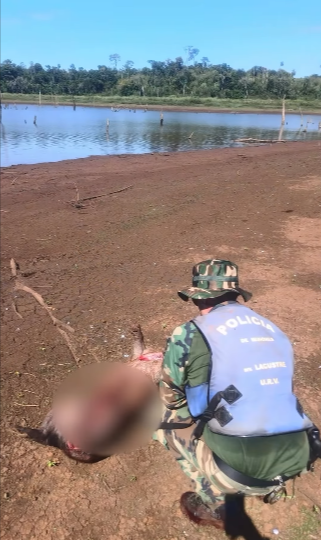
The protection of biodiversity is the pillar of the ECO2 programme. For this reason, we celebrate the success of the recent joint operations between the Rangers of the Ministry of Ecology and the Division of Defense of the Environment and Rural Crimes.
Mission Results
Puerto Peninsula Provincial Park: Poaching structures were dismantled and a specimen of wildlife was rescued, curbing the illegal trade circuit.
Protected Landscape Lake Urugua-í: Intense river and land patrols resulted in the seizure of weapons, illegal fishing nets and vehicles.
Taking care of our fauna and flora is not only a legal duty, it is the guarantee that Misiones continues to provide vital ecosystem services for the region and the world.
Articulation for prevention in Missions
Caring for our rainforest is a team effort!
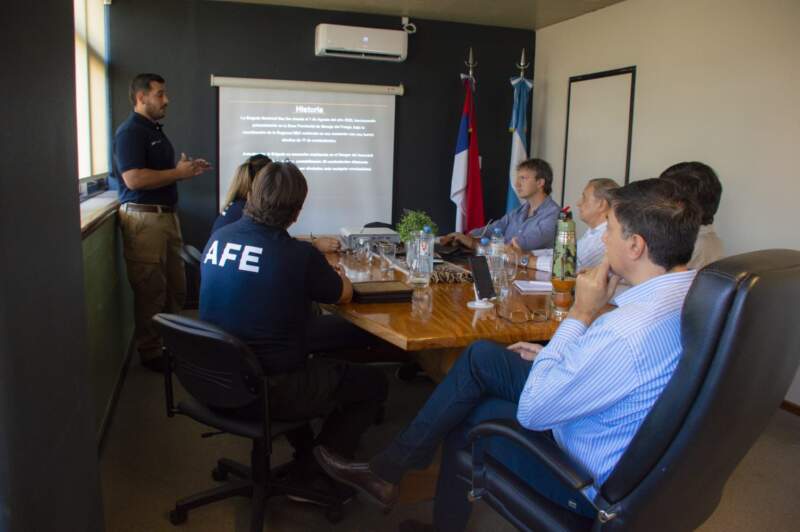
The Ministry of Ecology and RNR received in Posadas the administrative and technical authorities of the National Fire Management Brigade in the NEA Region (NEA) based in Apostles, to coordinate efforts and be more prepared than ever for fires and other emergencies.
What does this mean for the ECO2 Program?
More prevention: We coordinate tactics to fight fires and protect our natural resources.
Quick Response: Equipment ready to act in the event of storms, floods and emergencies.
Intelligent We join forces and resources to take care of every corner of the province.
The protection of Misiones' environmental services does not stop. Coordinated management by an evergreen province!
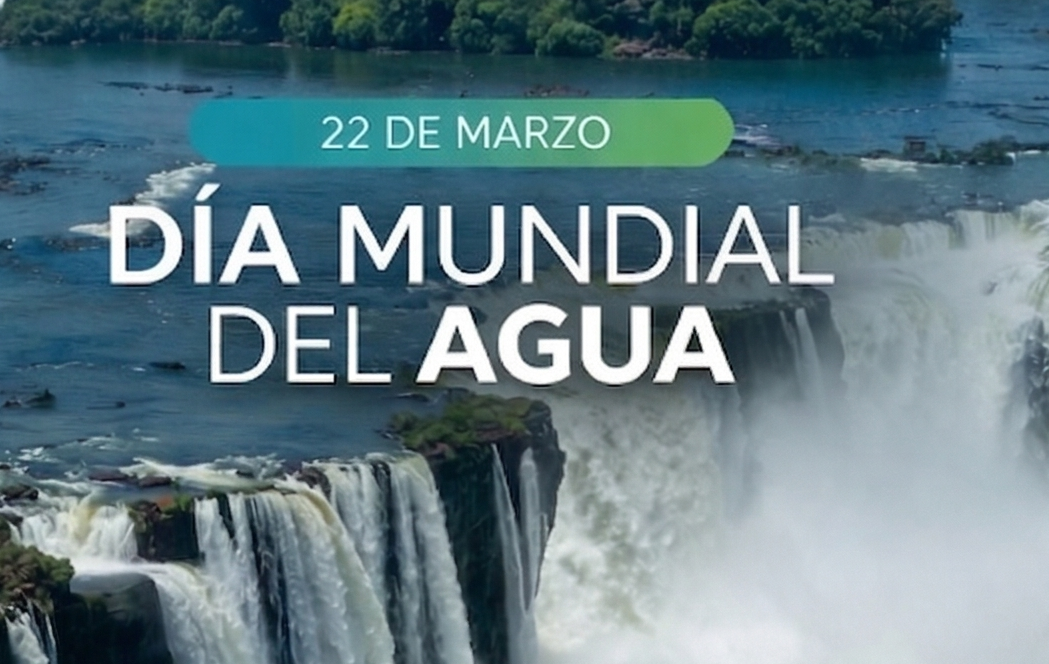
Misiones is pure natural life
World Day for Water
Water is a key strategic asset for sustainable development. In Misiones, its value is environmental, social and economic.
The province has a exceptional water wealth, which supports the biodiversity of the Paraná rainforest and scenarios of global relevance such as the Iguazú Falls.
In the context of climate change, managing water efficiently involves:
• strengthen public policies.
• promote ecosystem services.
• Promote tools such as environmental benefit programs.
Taking care of water is not just about conserving: it's about investing in the future.
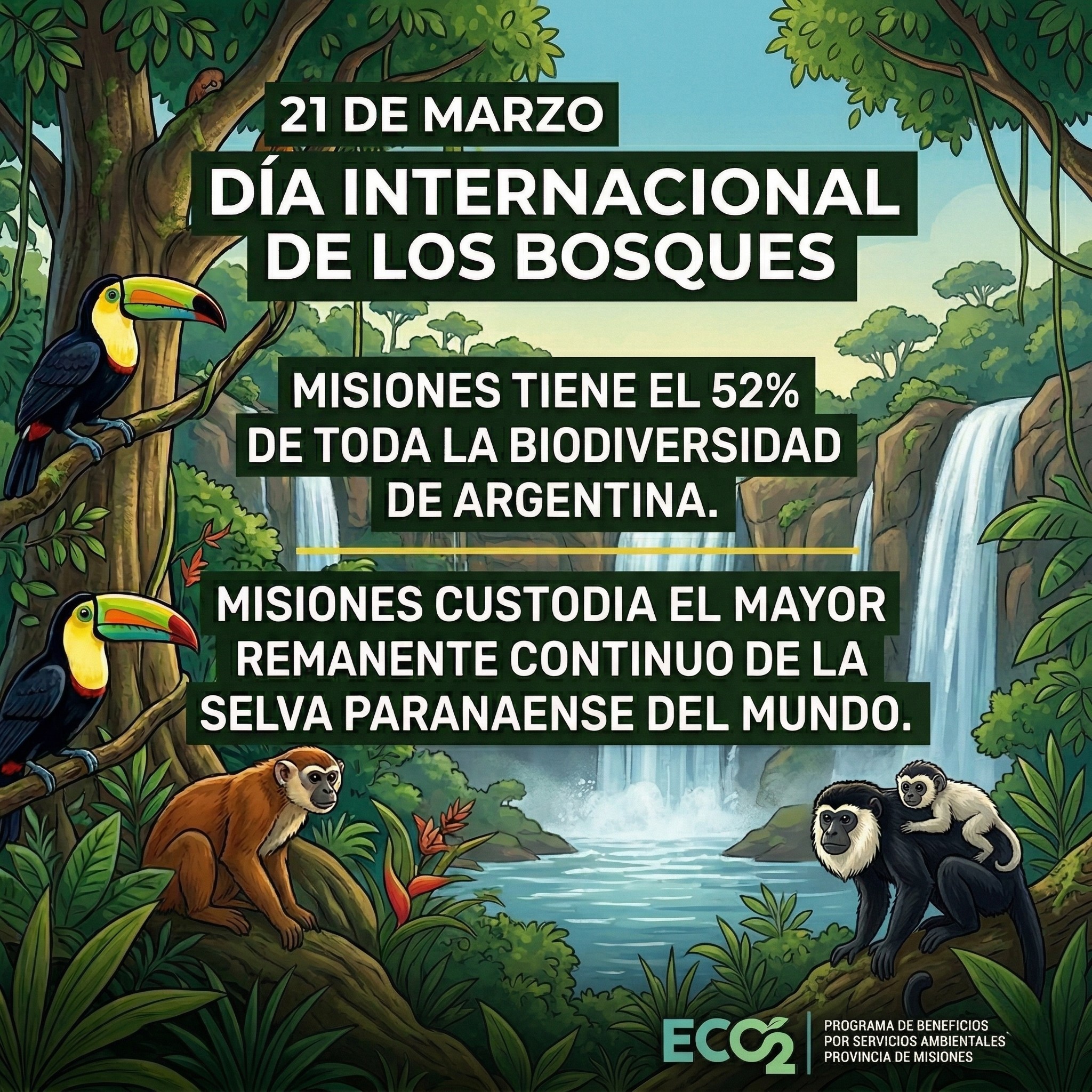
Reaffirming our commitment to the Paranaense Jungle
Misiones celebrates the International Day of Forests
Every March 21, the world comes together to celebrate the International Day of Forests, a key date to reflect on the vital importance of these ecosystems. In the province of Misiones, this celebration has a special meaning.
Our province is home to a unique natural heritage: the Paranaense Forest. We proudly guard the largest continuous remnant of this Atlantic forest worldwide, a vital ecosystem that is home to 52% of all of Argentina's biodiversity. We are not just a green province, we are a fundamental pillar for the ecological health of the continent.
The ECO2 Mission on this Key Date: From the ECO2 Environmental Services Benefit Program, we understand that the protection of this natural wealth cannot depend solely on isolated efforts.
Our work focuses on valuing and recognizing the environmental services that these forests provide us: from water and climate regulation to soil conservation and biodiversity.
Today we remember the words that guide our commitment: "Caring for the jungle is caring for ourselves and future generations." The pulse of the forest is the pulse of our own lives and those of our children.
On this International Day of Forests, we invite all missionaries and Argentines to renew their commitment to the preservation of our green home. Let's keep working together for a sustainable Missions, where development and conservation go hand in hand.
Caring for our natural heritage
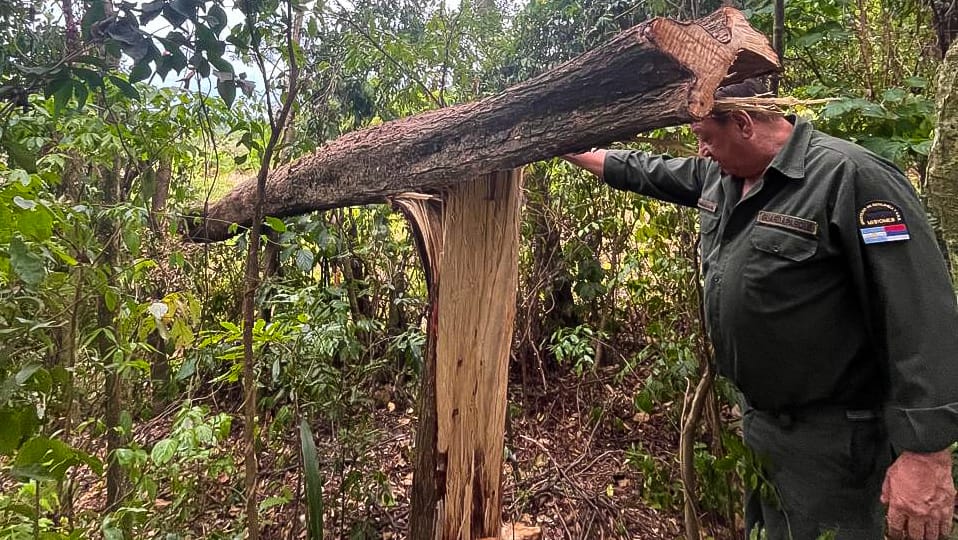
Park rangers delayed a man for illegal extraction of native species
The Ministry of Ecology and RNR of Misiones, through its corps of rangers, intervened in an act of illegal extraction of native species within the Salto Encantado Provincial Park, thus protecting the natural heritage of all missionaries for present and future generations.
Within the framework of a control tour carried out in conjunction with municipal authorities, in a sector of the protected area bordering the Municipal neighborhood of Aristóbulo del Valle, the presence of recent cuts of native trees and shrubs in a precarious camp was verified.
Based on this situation, the park rangers proceeded with the intervention on the spot and the subsequent delay of a man, who acknowledged having carried out wood cutting and extraction tasks using a chainsaw and a machete. It should be noted that the person involved has a record of events of similar characteristics, as well as repeated complaints by residents of the area.
Intervention was given to the Provincial Police, who proceeded to transfer the offender to the corresponding unit, as well as to kidnap the tools used for the commission of the offense. Municipal personnel also participated in the operation.
Relevant administrative actions were carried out on site. The man and the seized elements were at the disposal of the Justice, within the framework of the current regulations.
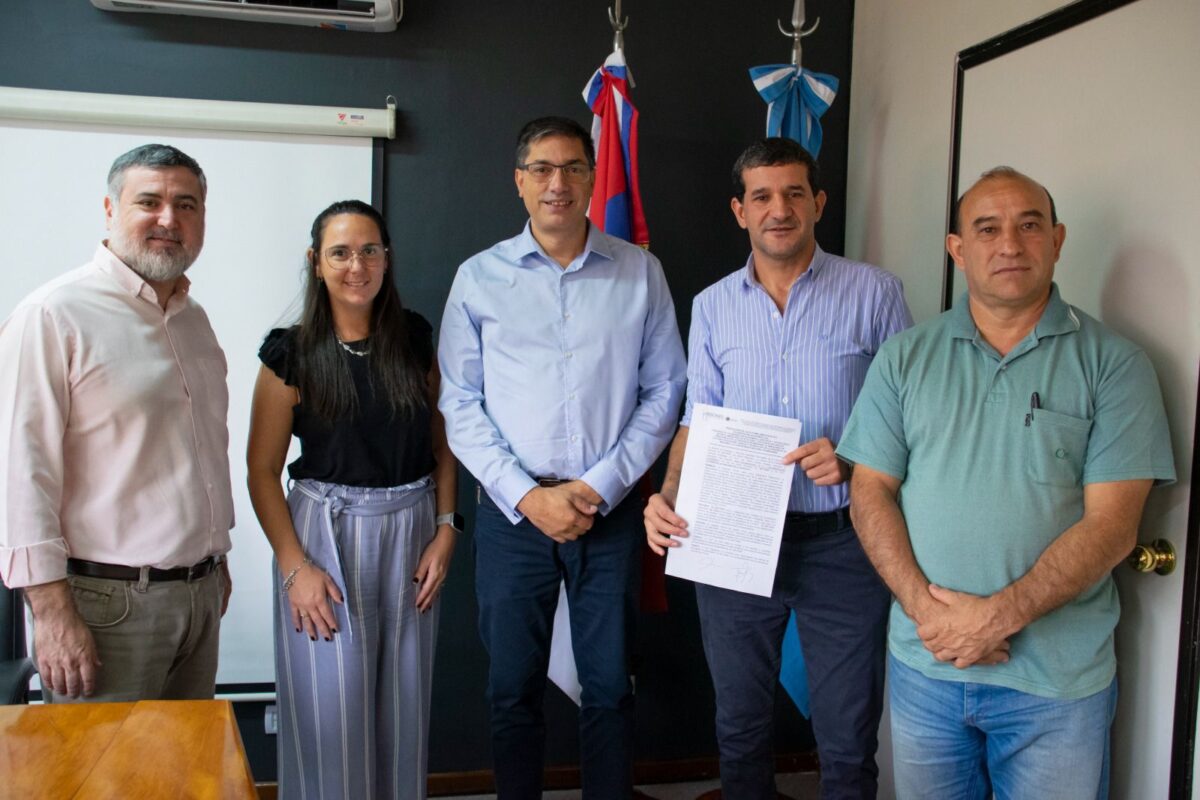
Shaping to Preserve
Misiones strengthens the training of future park rangers
Taking care of biodiversity does not start in the bush: it starts in training. With that premise, the Ministry of Ecology and Renewable Natural Resources of Misiones and the Faculty of Forest Sciences took a new step to strengthen the professional profile of those who will be in the first line of defense of natural heritage.
Through the signing of a cooperation agreement, both institutions consolidate a space for articulation between public management and academia, aimed at enhancing the training of future park rangers.
The agreement promotes instances of training, practices and development of technical knowledge related to conservation, management of protected areas and environmental control, integrating territorial experience with university education.
In a province that protects one of the highest levels of biodiversity in the country, the role of the park ranger is strategic: not only as a control agent, but also as an environmental educator and a key player in the preservation of ecosystems.
This type of initiative makes it possible to strengthen capacities, update work tools and build a comprehensive vision of environmental management, in which science, education and the territory are connected.
From the Environmental Services Benefits Program – ECO2 we accompany these actions that invest in knowledge, training and future, fundamental pillars for the conservation of forests and action against climate change.
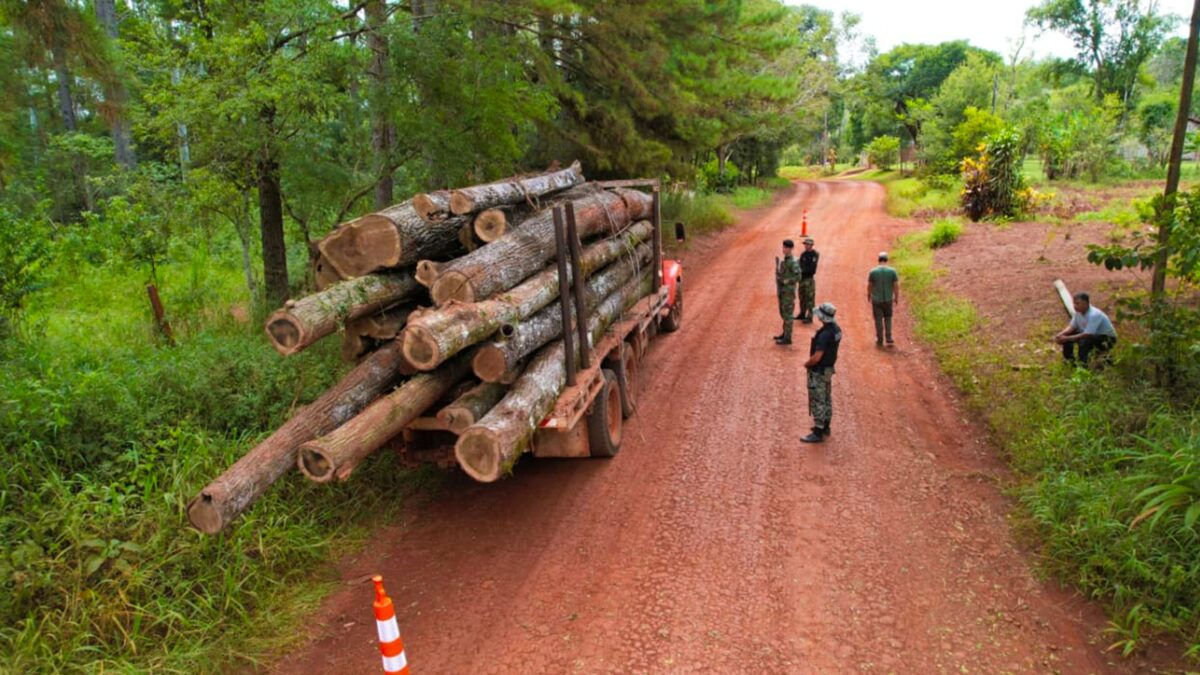
Controls that leave a mark
Forestry operations stop the illegal transfer of native wood in Misiones
In different parts of the missionary north, forest controls once again marked a presence in the territory with concrete results: stopped trucks, seized native wood and new administrative actions underway.
The operations, promoted by the Ministry of Ecology and Renewable Natural Resources, were deployed in strategic areas such as Eldorado, Colonia Victoria and Comandante Andresito, where technical teams, park guards and security forces intensified the control of the transport of forest products.
On the roofed roads of the former National Route 12, a vehicle control made it possible to detect a truck carrying rolls of native wood without the required forest guides. The intervention resulted in the seizure of both the cargo and the vehicle, which was transferred for safekeeping.
Days later, in the Peninsula area (Andresito), a new procedure reinforced the action: a truck with no domain placed was intercepted transporting 11 rolls of "black parrot", also without documentation. In this case, approximately 6.1 cubic meters of native wood were seized.
Beyond the numbers, these operations reflect sustained work in the territory, where the state presence is key to discourage illegal practices and strengthen control over natural resources.
Each intervention not only aims to sanction infractions, but also to consolidate a control system that guarantees the traceability of the wood and protects the environmental value of the native missionary forests.
From the Environmental Services Benefits Program – ECO2 we accompany these actions that contribute to the conservation of biodiversity and the care of a strategic natural heritage in the face of climate change.
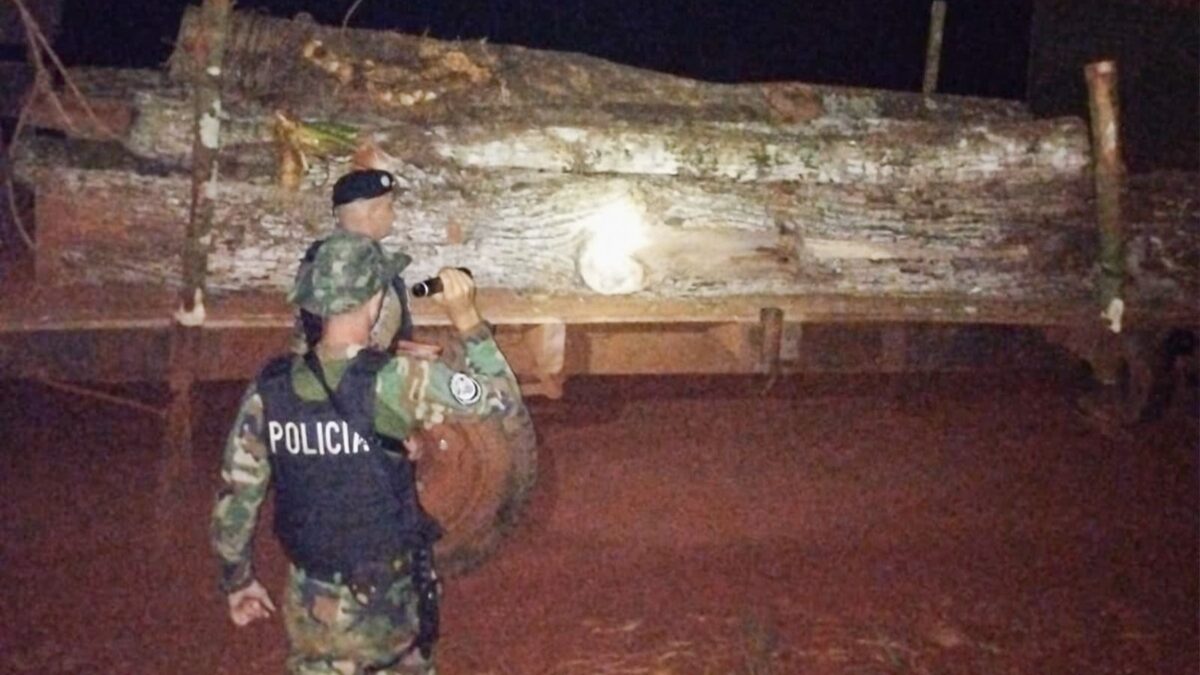
Native wood without supporting documentation in transit
They seized a truck with native wood without documentation in control operations in Andresito
Within the framework of actions to control and prevent environmental crimes, the Ministry of Ecology and RNR of Misiones carried out a joint operation in the town of Comandante Andresito.
The procedure was carried out by park rangers from the Cabure-í Reserve, together with members of the Division of Defense of the Environment and Rural Crimes of the Misiones Police, during preventive tours in the Peninsula area.
In this context, the intervening teams intercepted a truck carrying native wood without the mandatory documentation that supports its transfer. These were scrolls of the species known as "black parrot", a native wood whose circulation requires forest guidance.
Given the infraction, the vehicle and approximately 6.1 cubic meters of native wood were seized, in addition to drawing up the corresponding minutes to continue the administrative actions.
The seized material and the rolling stock were made available to the competent authorities, within the framework of current regulations.
These actions are part of a sustained control strategy that seeks to guarantee the traceability of forest products, prevent illegal timber trafficking and protect the province's native forests.
From the Environmental Services Benefits Program – ECO2 we accompany these initiatives that strengthen the conservation of natural heritage.
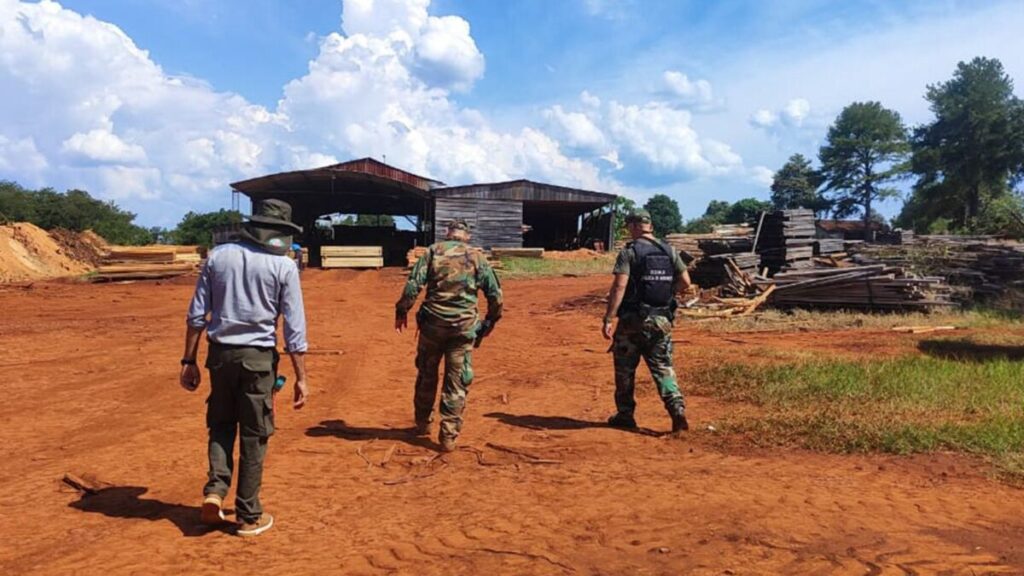
Environmental monitoring
Misiones strengthens forest control to protect its native forests
The Ministry of Ecology and Renewable Natural Resources of the Province of Misiones continues to deepen control, oversight and institutional strengthening actions for the protection of native forests.
Within this framework, forest control operations are developed in different parts of the provincial territory, including routes, productive areas, rural areas and native forest sectors, with the aim of guaranteeing legality in the use of forest resources and preventing environmental crimes.
In the central and southern areas, the technical teams carried out control tours in sectors with a history of extraction of native forest material intended mainly for the elaboration of poles.
In the northern area, a control operation was carried out that covered the municipalities of 9 de Julio, Santiago de Liniers, and Colonia Victoria. In a first stage, roadside checks were carried out in conjunction with the Rural Police of 9 de Julio, deployed at different points of Provincial Route No. 17, where vehicle checks were carried out on the transit of trucks transporting forest products. Environmental agents also began inspection tours in the town of Wanda, accompanied by members of the Defense of the Environment and Rural Crimes Division (DDMAyDR) based in Lake Urugua-í. There, checks were carried out on sawmills in the area, inspecting the material on storage beaches and sheds, as well as verifying and retaining documentation related to the possession and processing of native wood, within the framework of the actions planned by the General Directorate of Forests.
During these procedures, infractions such as the removal of native forest without authorization, as well as the transport of wood without mandatory documentation, were detected, which led to the intervention of the sites, the seizure of materials and the opening of administrative actions.
Among the most relevant results, operations carried out in the provincial north stand out, where trucks and shipments of native wood were seized without documentation, including rolls of protected species transported without a forest guide.
These actions are carried out in an articulated manner with the Misiones Police, through the Rural Crime divisions, strengthening the territorial control and traceability of forest products.
Likewise, technological tools such as satellite connectivity and monitoring are incorporated to optimize control tasks in remote areas, improving the operational capacity of the system.
These initiatives are part of a comprehensive policy that seeks to protect the natural heritage of Misiones, one of the most biodiverse regions in the country, and promote the sustainable use of forest resources.
From the Environmental Services Benefits Program – ECO2 we accompany these actions that contribute to the conservation of forests, the prevention of climate change and institutional strengthening.
Communicative transparency of the Program
Quarterly Information Bulletin No. 4
We share the Quarterly Information Bulletin No. 4, corresponding to December 2025 - January and February 2026
You can find it in our news section of this website: programjnr.misiones.gob.ar In the first place, the Prelates r... link
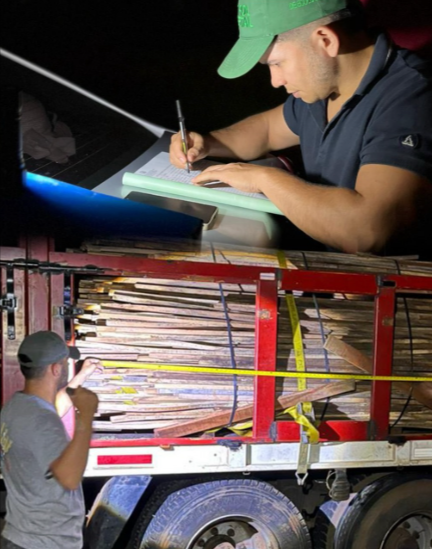
Abduction of native wood without the corresponding documentation
Forest controls on routes strengthen the protection of native forest and the ECO2 system
The operations to control the transport of forest products carried out by the Ministry of Ecology and Renewable Natural Resources of Misiones are part of the actions that contribute to protecting the native forests of the province and strengthening the conservation system promoted by the ECO2 Environmental Services Benefit Program.
During procedures carried out in Apostles and at the access to Posadas, inspectors from the Forest Control Directorate intercepted trucks carrying sawn wood without the corresponding documentation. The inspections also detected wood of native species that was not declared in the shipments or in the mandatory transfer guides.
Faced with these irregularities, the cargo was seized and the vehicles were pre-emptively secured, and summary proceedings were initiated to determine responsibilities and apply the sanctions provided for by current regulations.
The operations were carried out with the accompaniment of the Directorate of Defense of the Environment and Rural Crimes of the Misiones Police.
These types of controls are key to ensuring the traceability of forest products and combating the illegal use of natural resources. At the same time, they contribute to sustaining the integrity of forests that generate environmental services - such as carbon capture, biodiversity conservation and water regulation - that the ECO2 program seeks to preserve and recognize.

EcoMisiones Podcast on Spotify
Episode 5: The Program's Ethical and Transparency Pillars
The Safeguards Information System (SIS); the Complaints Mechanism and the recurrent and multi-channel communication of the most important actions of the Program are the ethical and transparency pillars so that society knows that the Missionary Forest... we take care of it among all with responsibility and political, social, environmental and technical integrity.
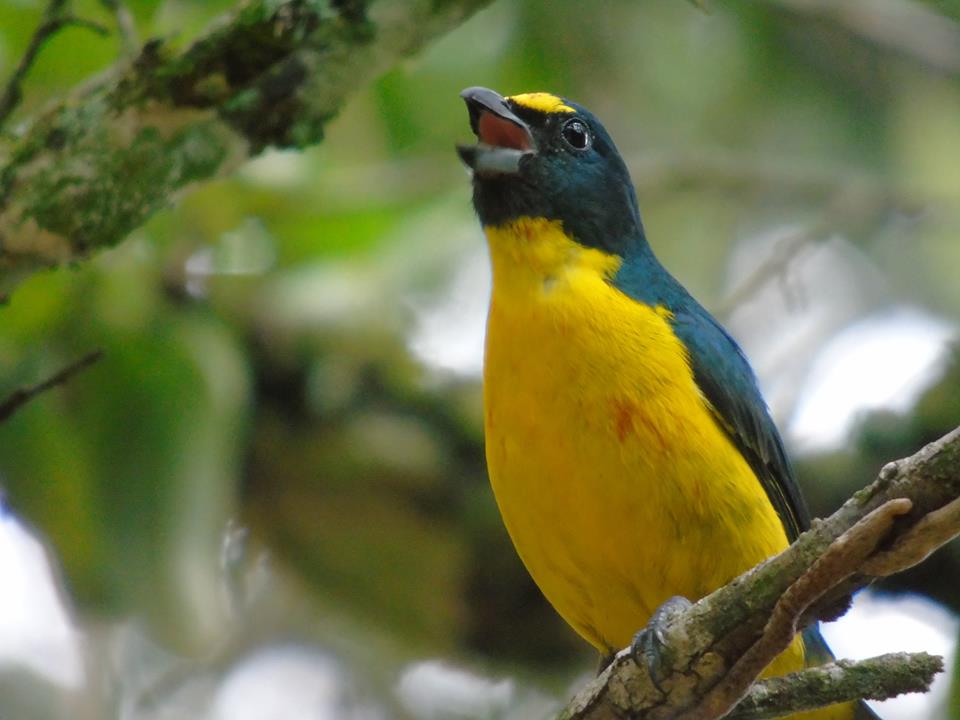
Misiones owns 52% of all the biodiversity in the country
World Wildlife Day
The Province of Misiones celebrates World Wildlife Day today, March 3.
52% of all the country's biodiversity lives in our province. We are part of the Paranaense Forest, one of the most valuable ecosystems in the world.
Our fauna is unique: the Yaguareté, the largest feline in the Americas; the Carayá Monkey, a great seed disperser; the Big Toucan and the imposing Harpy Eagle; and the Surubí, which runs through our rivers along with more than 300 species.
Also native flora are the missionary Araucaria; the Palmito; the Black Lapacho;
the Missionary Cedar and the historic Palo Rosa.
Each species plays an essential role:
- protect the water
- preserve the soil
- capture carbon
- sustain the balance of ecosystems
Protecting wildlife is public policy through Law XVI – N°11 on Wildlife; Law XVI – N°105 on Native Forest Management and Law XVI – N°29 that creates the System of Protected Natural Areas, we guarantee their conservation
Many of these species are Natural Monuments.
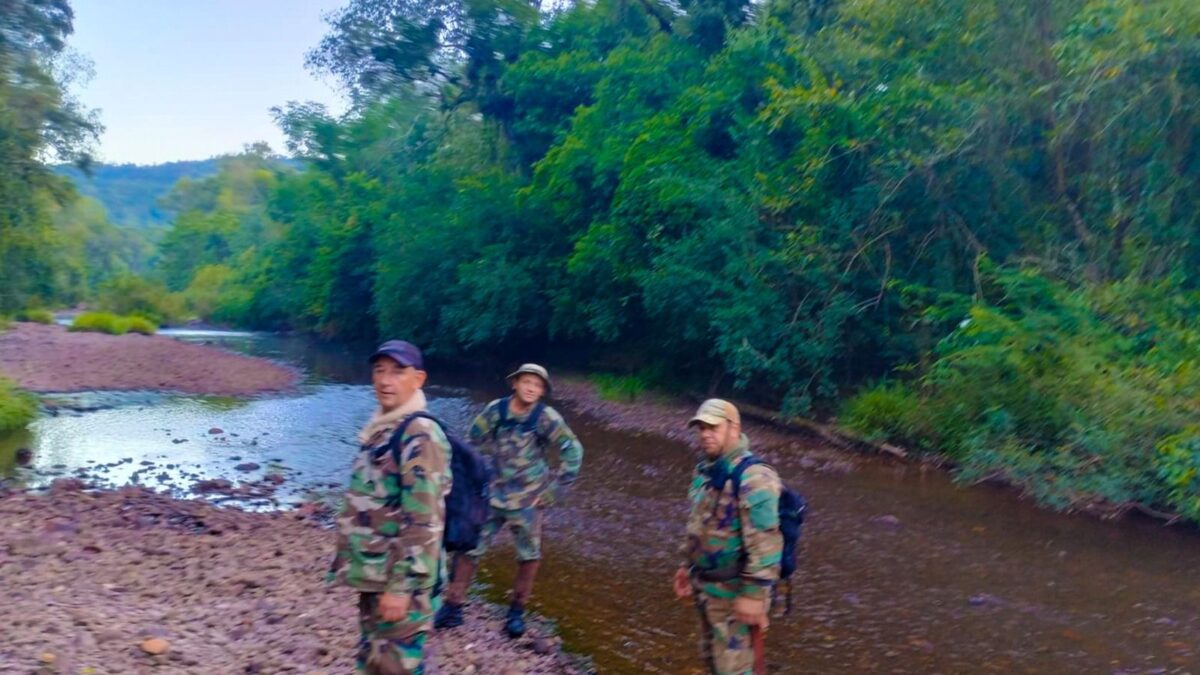
Protecting our natural heritage
Preventive patrols in Salto Encantado Provincial Park
Park rangers of the Southern Zone Jungle Operations Group (GOS), dependent on the Ministry of Ecology and RNR, carried out an extensive preventive patrol within the Salto Encantado Provincial Park, covering the Southwest boundary sector and the Pirú Wedge Valley area.
Within the framework of the tour, three "leftovers" or waiting posts used for poaching were detected, a maize feedlot made with PVC tube and three salt shakers, which were deactivated and destroyed on the spot. Likewise, on the banks of the Cuña Pirú stream, within the Protected Natural Area, unauthorized camping sites were identified.
For two days, a total of approximately 10 kilometers within the area was covered on foot, consolidating territorial presence and control actions in sectors considered strategic.
All the points surveyed, as well as the sites of interest detected and the complete track of the route, were recorded using a GPS system, strengthening georeferenced monitoring and the planning of future interventions.
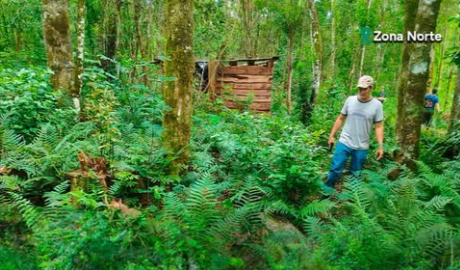
Provincial Environmental Policy
Intensify forest control operations in Misiones municipalities
As part of the strengthening of the provincial environmental policy, the Ministry of Ecology and Renewable Natural Resources of Misiones, through the Directorate of Forest Control, together with the Misiones Police, intensified preventive operations on rural routes and lots in different municipalities.
In the northern area, specifically in Colonia Delicia, inspections were carried out on National Route 12 and Provincial Route No. 18, with verification of truck traffic to detect possible transport of native wood. Likewise, inspections were carried out on lots with the presence of native forest.
In the southern zone, the operations were carried out in San Javier, Azara and Apóstoles, where day and night checks were carried out on routes and rural areas, with review of documentation and transport guides, in order to prevent maneuvers of illegal transfer of forest products.
The control plan will continue in municipalities in the central and northern areas, prioritizing districts with large areas of native forests and strengthening forest traceability.
These actions consolidate the territorial presence of the State and reinforce the commitment to the conservation and sustainable use of the province's natural resources.
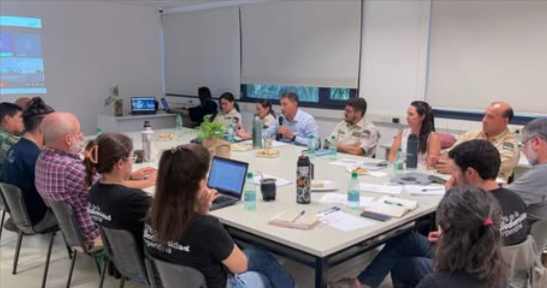
Selva Paranaense Subcommittee
Strategic alliance for the conservation of the Yaguareté
On Friday, February 20, in Puerto Iguazú, a new space for technical articulation was consolidated in the Selva Paranaense Subcommission. Government institutions (Ministry of Ecology and RNR, IMiBio, Ministry of Agriculture, National Parks; Provincial Rangers; Directorate of Defense of the Environment and Rural Crimes of the Misiones Police), scientists (CeIBA-CONICET) and NGOs (Wildlife; Félix de Azara Natural History Foundation-Güirá Oga Wildlife Rescue and Conservation Center; Silver Ornithological Foundation "Aves Argentinas"; Pitoco Fox Project) met to analyze indicators and coordinate monitoring actions on the Yaguareté, with the aim of collecting updated information and coordinating the next actions within the framework of the comprehensive conservation strategy of the species in the region.
In addition, work was carried out on the review of intervention protocols and technical criteria for action; institutional communication strategies and management of sensitive information.
The Sub-Commission will continue to hold periodic meetings with the aim of holding a joint evaluation, based on scientific and technical criteria, aimed at strengthening the comprehensive conservation plan in the region.
Inter-institutional coordination is the key tool to ensure that the top predator of our forest and Provincial and National Natural Monument continues to roam its territory with vitality.
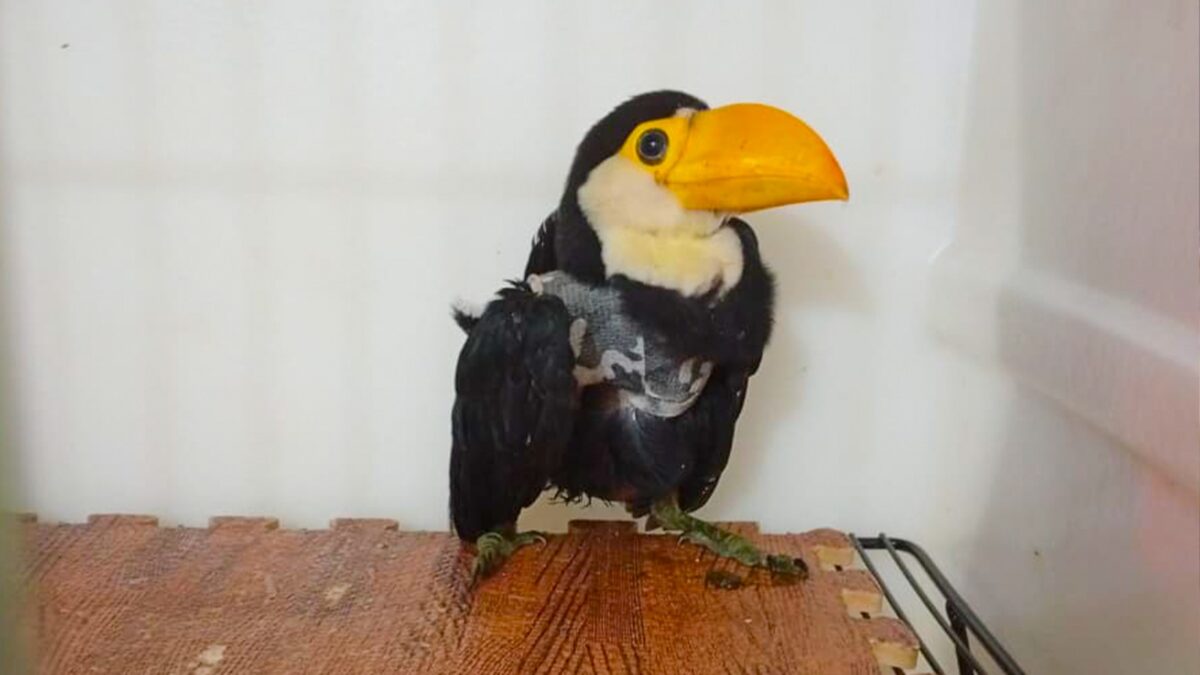
Ecosystem responsibility pillar
Wildlife rehabilitation
Species recovery is not just a technical task, it is a social commitment to the health of our biodiversity. The daily rehabilitation work allows wildlife to return to their habitat, maintaining the balance of the ecosystems that support the ECO2 Program. Science and passion come together to restore nature to its vitality.
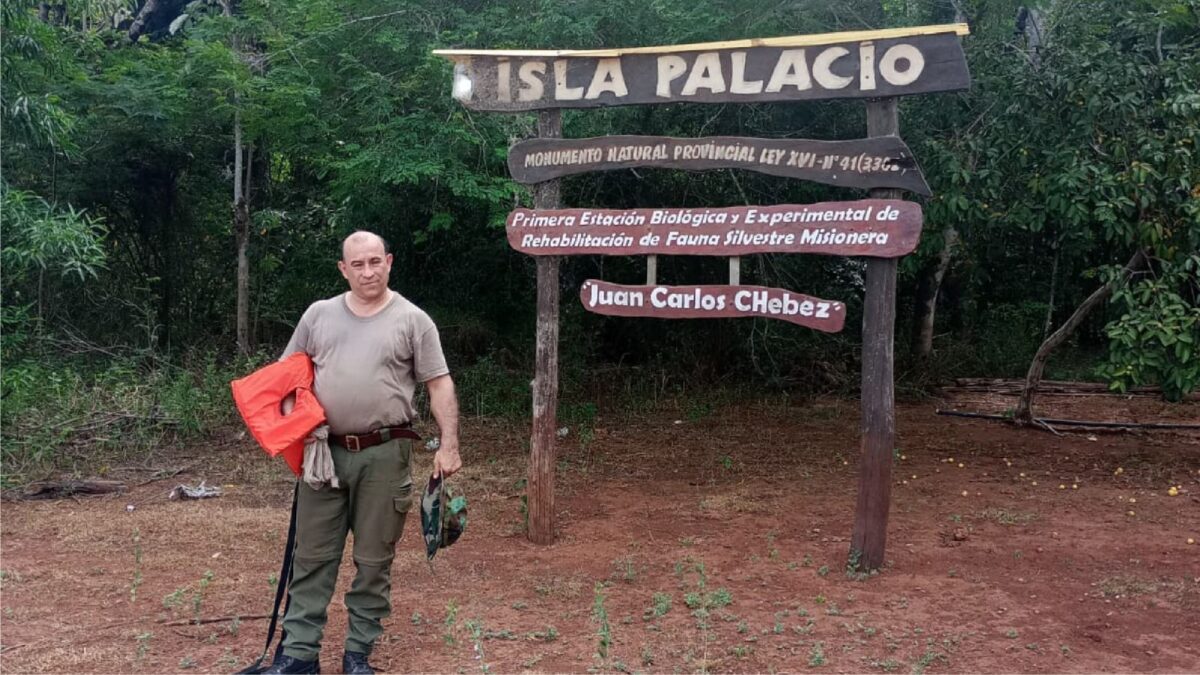
Natural capital protection
Strengthening the custody of our green heritage in Misiones
The ECO2 Program recognizes that effective conservation is born in the territory. Therefore, the Ministry of Ecology and RNR of Misiones reinforces the joint work with the Ranger Corps, a fundamental piece in the protection of the environmental services that our jungle provides to the world. Increased operational deployment and technical equipment ensure that the value of our forests remains intact for present and future generations.
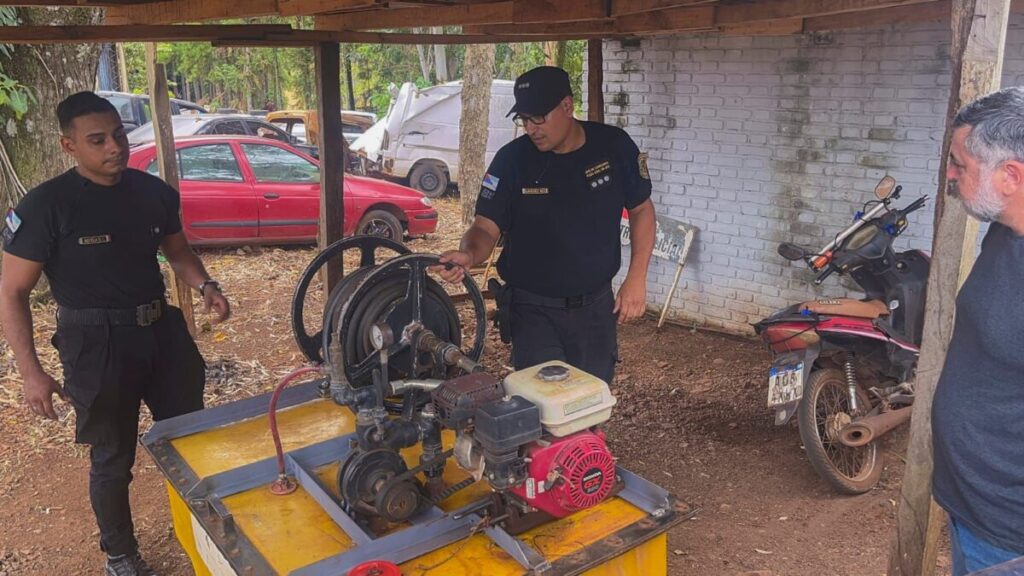
It was received by the Pozo Azul Police Station
They delivered a rapid fire attack team
The Ministry of Ecology and RNR delivered a rapid fire attack team in Pozo Azul.
The incorporation of this resource will strengthen the capacity for immediate response to igneous outbreaks and help prevent their spread, especially in rural areas and urban-forestry interface.
In this context, Mayor González stressed the value of this delivery for the municipality, considering that it strengthens the articulated work between the Province and the community in the prevention and combat of fire, in a season marked by adverse weather conditions and high environmental risk.
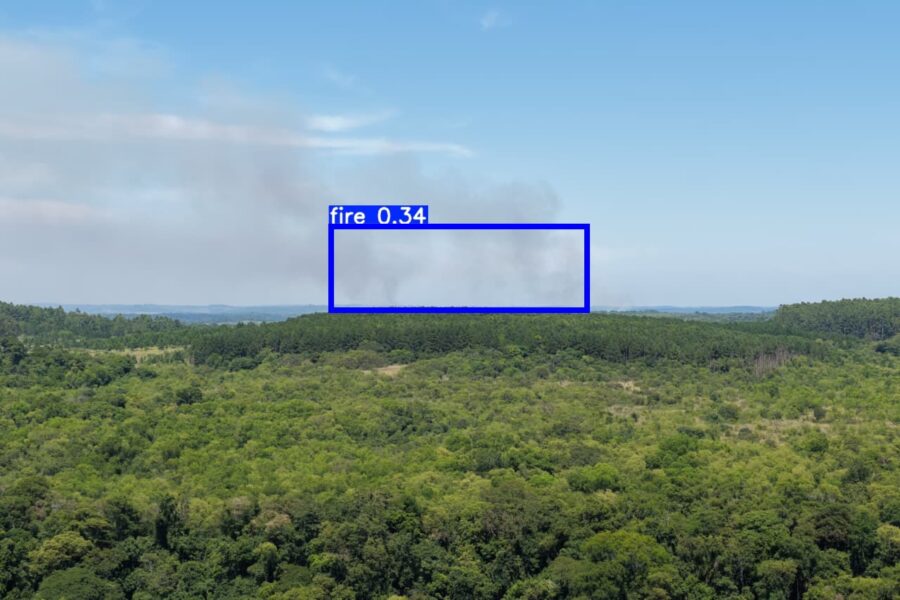
Early warning, drones and rapid response
Surveillance Tower System for Early Warning of Forest Fires
With the implementation and expansion of the Surveillance Tower System for Early Warning of Forest Fires since January 2026, the province began the year by strengthening its capacity for detection, monitoring and rapid response to igneous outbreaks. The scheme combines smart cameras, analytics with artificial intelligence, drones and specific equipment, and positions Misiones at the forefront of native forest prevention and protection.
The system is composed of towers equipped with cameras that continuously monitor large areas of the provincial territory. Unlike satellite heat sources, visual smoke detection allows a greater degree of certainty about the existence of active fires and enables direct verification of the affected area, reducing response times and strengthening the protection of native forest and protected natural areas.
During the initial presentation of the system, Governor Hugo Passalacqua highlighted the incorporation of this technology and the strategic role it plays in the prevention of forest fires. "We are the only province in the country with this system; not even the Nation has an early warning scheme of these characteristics. We missionaries have to be proud to be the only ones to have something like this," he said.
A system with smoke detection technology
The Undersecretary of Territorial Planning, Lucas Russo, explained that the system allows "to have a more immediate response to igneous outbreaks before they take on a large scale," noting that its main objective is to complement existing alerts, providing greater accuracy and reliability in detection.
“By viewing a live image of the terrain, we eliminate the doubt of whether a heat signal is really a fire, as smoke is a direct indicator of active fire. Detection is faster because the system works in real time, analyzing images instantly with artificial intelligence," Russo said. This technology also makes it possible to monitor areas of provincial parks where there is no constant human presence.
The initial deployment includes three strategically located towers: in the Sierra Provincial Park, in the southern area and the first to be activated; in the Esmeralda Provincial Park, within the Yabotí Biosphere Reserve, in the central area; and in a ranger detachment on National Route 101, in the Urugua-í Provincial Park, in the northern area. Each tower has an estimated visual range of 30 kilometers, which allows a total of 849,000 hectares to be monitored, of which more than 460,540 correspond to native forest, equivalent to almost 30% of the provincial area.
The structures, approximately 40 meters high, are equipped with three fixed cameras with 120 degrees of vision and a PTZ camera with the ability to rotate, tilt and zoom. "When an alert is triggered, the PTZ camera focuses on the incident. From there, we programmed an autonomous drone flight to approach the igneous focus and take precise coordinates and photos," Russo explained. This procedure allows the brigades to move with specific information about the type of vegetation affected and the magnitude of the event. In a controlled burn test, detection occurred two hours before the satellite alert.
Operational articulation and rapid response
In the event of a confirmed alert, the system immediately notifies the nearest response team, which can be Mission Police Firefighters, Volunteer Firefighters, brigade members of the Provincial Fire Management Plan or park rangers in the area. The first team to arrive evaluates the situation and coordinates reinforcements if necessary, articulating the work with drones, mobiles and communication systems in real time.
Investment in equipment and logistics
The strengthening of the early warning system is complemented by the incorporation of new equipment for park rangers, brigade members and emergency teams. In total, 15 fireproof personal protective equipment, 30 heart blades, 30 mowing rakes, 30 pulaski-type tools, 30 fire extinguishers, 30 machetes and 30 forest backpacks were added to transport water in areas that are difficult to access.
In addition, five 500-liter Firechief rapid attack teams were incorporated for immediate interventions, 16 spare tires for the vehicle fleet, a complete PC and a cellular equipment for the operations center, aimed at strengthening monitoring, logistics and attention to environmental complaints.
High Integrity Voluntary Carbon Markets
A–AA Rating for Missions' REDD+ Jurisdictional Program
Misiones' REDD+ Jurisdictional Program in Argentina received a preliminary A–AA (pre-emission) rating from carbon credit rating agency Sylvera, representing a significant milestone for the Province of Misiones and its leadership in high-integrity climate action.
The rating positions Misiones among the highest-integrity REDD+ initiatives globally, supported by a robust and transparent programmatic design, with conservative carbon accounting and scientific rigor adding strong adherence to internationally recognized environmental and social safeguards, including a comprehensive benefit-sharing mechanism.
This achievement lays a solid foundation for us in Misiones to continue moving forward with our REDD+ Jurisdictional Program, focused on reducing deforestation, improving governance, incentivizing forest conservation, and promoting sustainable development.
"Our province has a track record in protecting its forests and biodiversity, and has developed a REDD+ jurisdictional program to monetize these efforts and results," said Adolfo Safrán, Minister of Finance of the missionary government. “This A–AA rating confirms that the Province is doing things right, combining scientific rigor with strong social and environmental safeguards to ensure that emissions reductions are of high integrity and meet high international standards.”
With its consolidated governance framework and this independent, high-integrity rating, Misiones' REDD+ Jurisdictional Program is now positioned to become the first globally to be validated and verified under Verra's JNR framework and the first subnational program to be registered under a voluntary carbon market standard.
As an investor in high-integrity carbon programs globally, Silvania works with the Government of Missions to connect the high-integrity emission reductions generated by this program to carbon markets.
“We are proud to support Misiones in its goal to continue reducing deforestation through the implementation of a robust and comprehensive REDD+ program, which includes an inclusive and equitable benefit-sharing mechanism and a safeguards information system,” said Jessica Orrego, Director of Natural Carbon Solutions for Silvania. “This program demonstrates how this type of collaboration can scale climate impact while strengthening trust in jurisdictional REDD+ programs.”
The JNR Misiones program focuses on strategic measures to curb deforestation, strengthen forest monitoring and control, prevent fires and generate viable economic alternatives for those who previously depended on clearing for their income.
Environmental control on routes and citizen commitment to take care of secondary forests
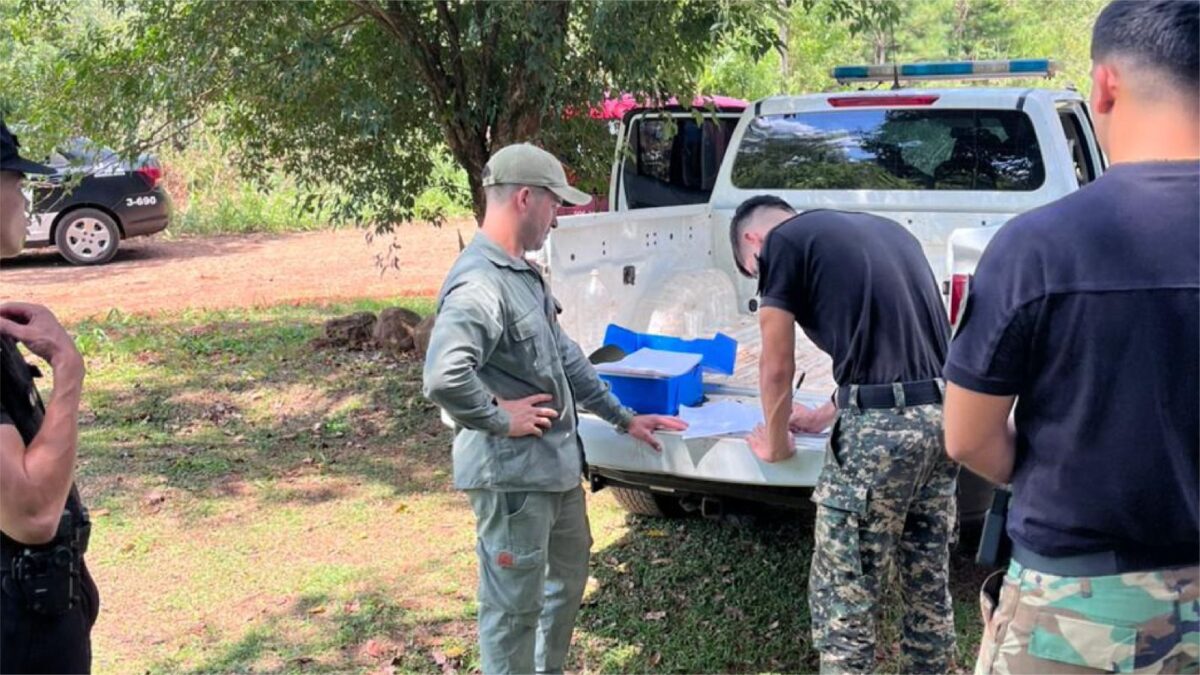
Ecology intensified forest controls and stopped unauthorized clearing
On February 11, the Ministry of Ecology and RNR, through its Directorate of Forest Control, led multiple simultaneous operations in the central and southern areas of Misiones.
In the town of Santiago de Liniers, the agents stationed themselves on Provincial Route No. 17 (Km 30), where they carried out verification and transit control of forest products. At the same time, in Azara and Apostles, these preventive actions were replicated to guarantee the legality of timber transport en route.
________________________________________________________
Protection of the Native Forest in Enchanted Jump
Thanks to the citizen commitment and a complaint received by the Ohana Rescue Center, the inspection team intervened in Salto Encantado. There, the start of an unauthorized clearing affecting secondary forest was detected and stopped. The area was measured and the corresponding legal actions were initiated.
These actions are part of the strategic forest control plan that seeks to protect our natural resources and ensure compliance with current regulations in every corner of the red earth.
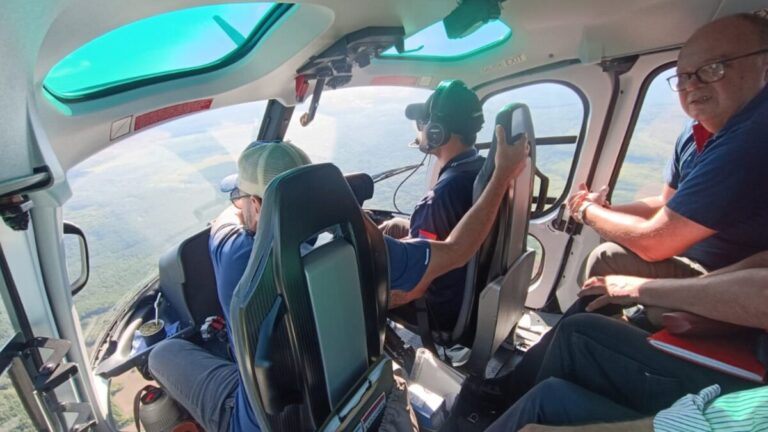
New air traffic control operation
Strategic Monitoring and Risk Management: Keys to Missions' REDD+ Strategy
The Ministry of Ecology, together with the Provincial Fire Management Plan and firefighting teams, carried out a new diagnostic air control operation in the central and northern areas of the province.
This monthly monitoring is a key part of our Reducing Emissions from Deforestation and Forest Degradation (REDD+) strategy.
The key points of the survey:
Critical Illness A marked water deficit was observed in basins and streams, increasing the vulnerability of the combustible material.
Management results The implementation of technology and preventive patrolling has allowed a reduction of more than 50% in rural fires since 2020.
Perspective: Although the current situation is one of operational normality, hazard indices will range from “Very High” to “Extreme” until mid-March.
The protection of our forest assets is a technical and social commitment. We continue to work on early detection to ensure the integrity of our ecosystems.
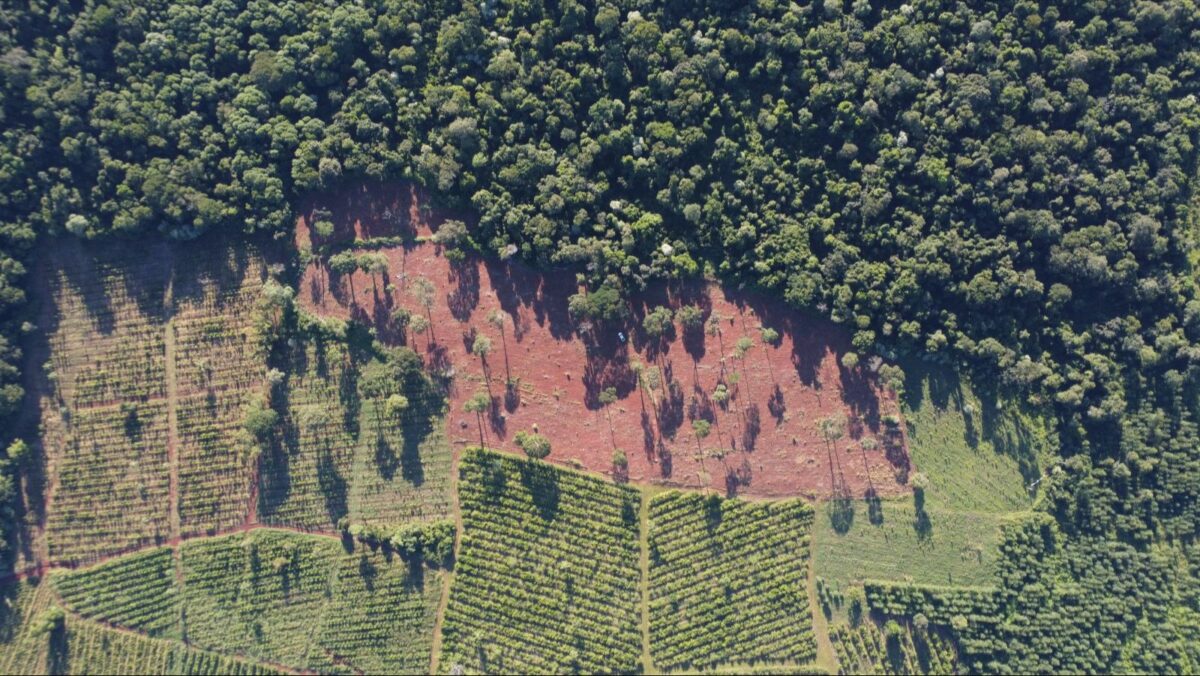
Detection of clearing in production lots using satellite images
Strengthening Forest Control and Environmental Monitoring in Misiones
Strengthening Forest Control and Environmental Monitoring in Misiones
The Ministry of Ecology and RNR, through the Directorate of Forest Control, continues to execute strategic operations to ensure compliance with current environmental regulations, both at the national and provincial levels.
During the first half of February, Ministry professionals carried out key inspections in Puerto Azara, May 25, San Vicente and Andresito.
Milestones of the operation:
- Technology at the service of the forest: Detection of clearing in production lots using satellite images.
- Interinstitutional Action: I work together with the Misiones Police and the National Gendarmerie for the confiscation of native wood without legal protection.
- Transparency Initiation of administrative actions to sanction those responsible.
From the REDD+ Jurisdictional Program, these enforcement actions are fundamental for the integrity of our environmental assets and the reduction of emissions from deforestation.
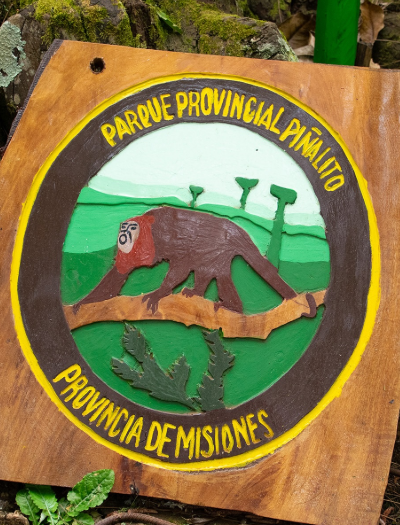
Pinalito Sur
From extractive pressure to holistic carbon and community management
The Pinalito Sur Provincial Park is redefining its relationship with the environment. What was once a hotspot for native timber theft is now transformed into a comprehensive management model involving sustainable tourism, sport and culture.
Within the framework of the agreement signed between the Ministry of Ecology and Natural Resources of Misiones and the municipality of San Pedro, an inter-institutional meeting was held on February 4 in the Piñalito Provincial Park to advance an annual agenda of restoration, social, recreational and cultural activities within the Piñalito Sur Provincial Park. This initiative arises as a response to the theft of wood within the Park that led to concrete actions to strengthen control and conservation, such as improving access and operating conditions for park rangers, strengthening surveillance and monitoring systems, incorporating equipment recovered from environmental crimes, the delimitation and enhancement of the area, the preparation of the first Comprehensive Management Plan and the implementation of tools technologies and environmental education actions. In this sense, it seeks to promote community participation through the integration of sport, tourism and culture.
For the REDD+ ECO2 Jurisdictional Program, this transition is critical. By integrating the community into the protection of the area, we reduce the causes of forest degradation, ensuring that the carbon stored in these forests remains captured.
Highlights of the new agenda:
- Tourism and sport: The "Pinalito Corre" and cycle tourism attract visitors who value the standing forest.
- Culture and Education: The "Pinalito Canta a la Selva" festival strengthens the sense of belonging and missionary identity.
Type Sustainability: The sale of local products from the surrounding community generates income that does not depend on timber extraction.
This paradigm shift demonstrates that the forest is more valuable alive, generating direct economic benefits for missionaries while mitigating climate change.
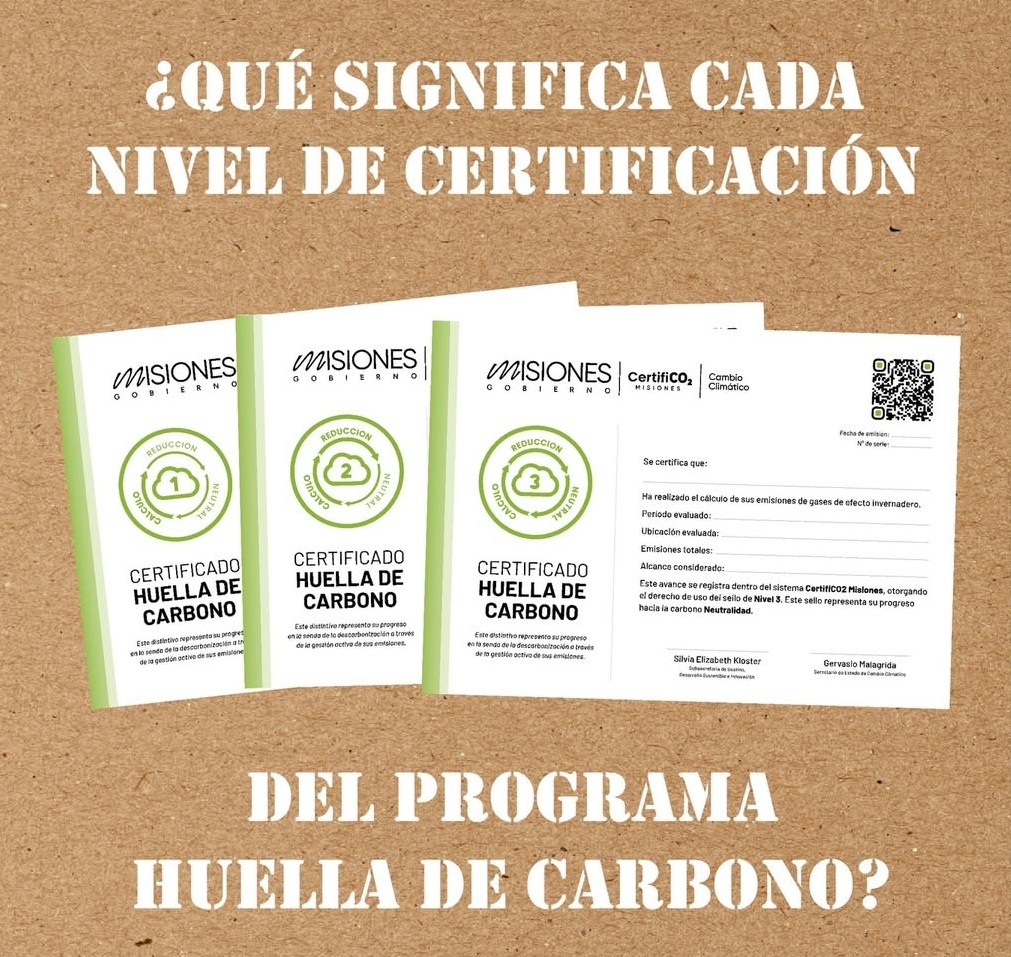
It has three levels of certification to measure and reduce environmental impact
Provincial Carbon Footprint Program
Did you know that our province already has an official roadmap to measure and reduce our environmental impact? Resolution 03-2024 of the Secretary of State for Climate Change of Misiones marks a before and after in the fight against climate change in the red earth.
Here's what it's all about in 3 key points:
What is a carbon footprint?
1. It is the “trail” of greenhouse gases that we leave with our annual activities. With this program, Misiones seeks to enable companies, institutions and individuals to measure, reduce and offset that impact.
️2. Sectors in Action
The program covers strategic sectors of our economy, such as:
Tourism and health.
Agriculture, Livestock and Forestry-Industry.
Education, Construction and Commerce.
️3. Certified Experts (RePHAC)
Not everyone can measure the footprint! The Carbon Footprint Analyst Registry was created. They are professionals trained and endorsed by the Secretariat of Climate Change to ensure that the calculations are accurate and scientific.
Road to Certification
Organizations can earn 3 levels of certificates:
Level 1: By measuring your footprint.
Level 2: For implementing measures to reduce it.
Level 3: By offsetting the remaining emissions through local environmental projects.
Misiones continues to lead the climate agenda with real tools for a more sustainable future.
Transparency and Environmental Governance
Information and ways of contacting the Program
We provide a Linktree for better and easier access to the most important links of the Program and to all our social networks: https://linktr.ee/programajnrmisiones
The official channel for queries, suggestions, doubts, complaints and requests for public environmental information is through the Safeguards section of this website: https://programajnr.misiones.gob.ar/es/salvaguardas
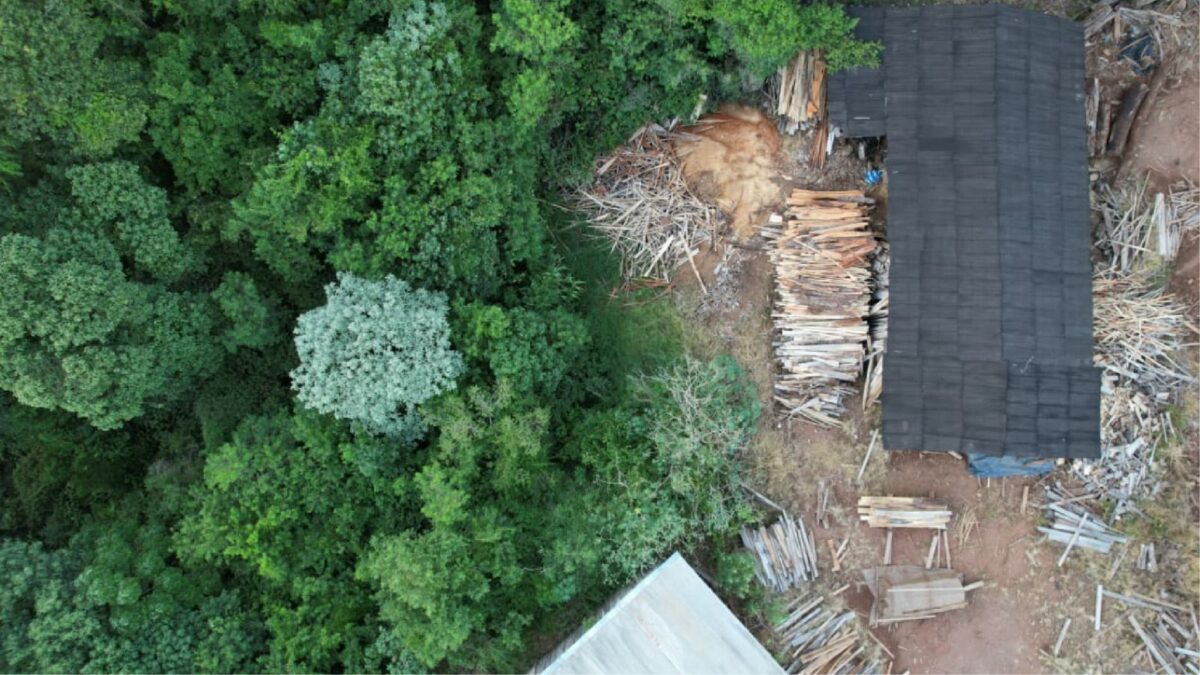
Strengthening Forest Control
Inspections of lots and sawmills in the North Zone
The Directorate of Forestry Control of the Ministry of Ecology continues with its permanent control actions in the north of the province. On this occasion, inspectors carried out exhaustive tours of rural lots and sawmills located on Provincial Route No. 18, covering the municipalities of Dos Hermanas, Bernardo de Irigoyen and Pozo Azul.
The central objective of the operation was to verify the current situation of points where violations of the Native Forests regulations had previously been detected. These inspections are essential to give continuity to the environmental summaries and ensure that the forestry activity is carried out under the standards of legality and sustainability required by the province of Misiones.
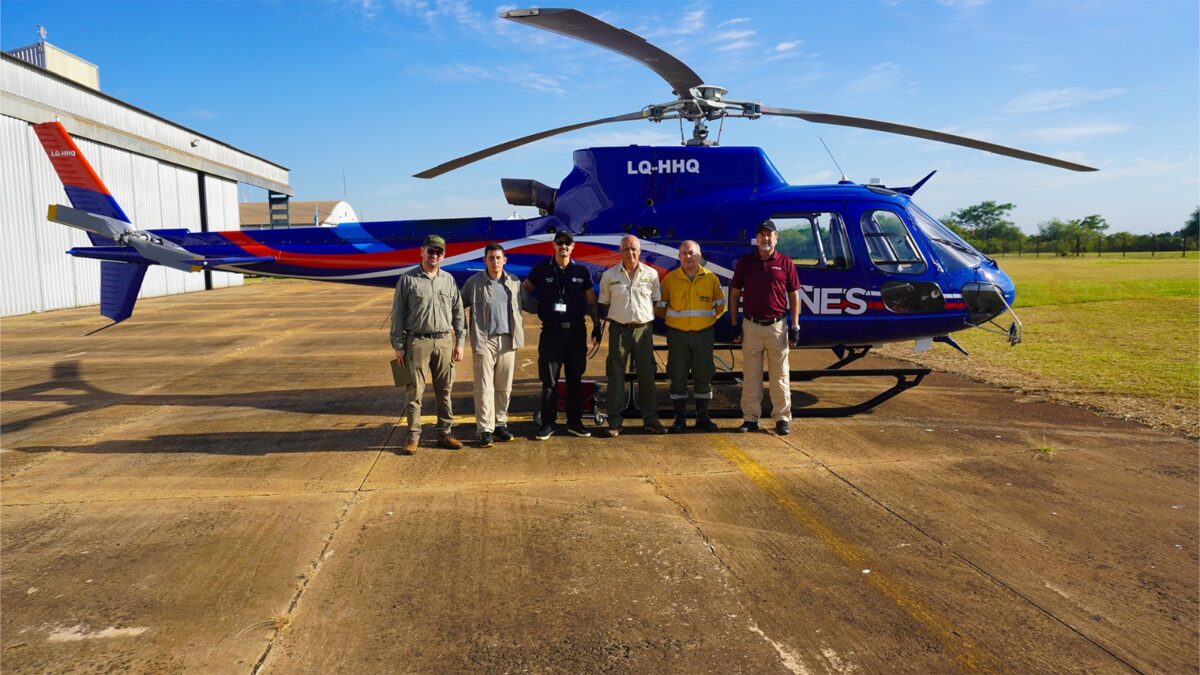
Technology at the service of the jungle
Ecology deployed aerial monitoring and control operations
To strengthen surveillance against fire risk and ensure compliance with forest laws, the Ministry of Ecology carried out a tactical air operation over strategic points in central and southern Misiones. On board the provincial police helicopter, a technical team made up of park rangers, firefighters from the Fire Management Plan and the Forest Control Directorate flew over key areas such as the Fachinal, Sierra and Salto Encantado Provincial Parks.
The survey allowed to confirm that there are no active fire sources of magnitude, detecting only small controlled smoke columns. In addition, the good state of conservation of the forest mass in the protected areas was verified and sites were audited from the air with registered Land Use Management and Change Plans, ensuring that productive activities comply with current regulations.
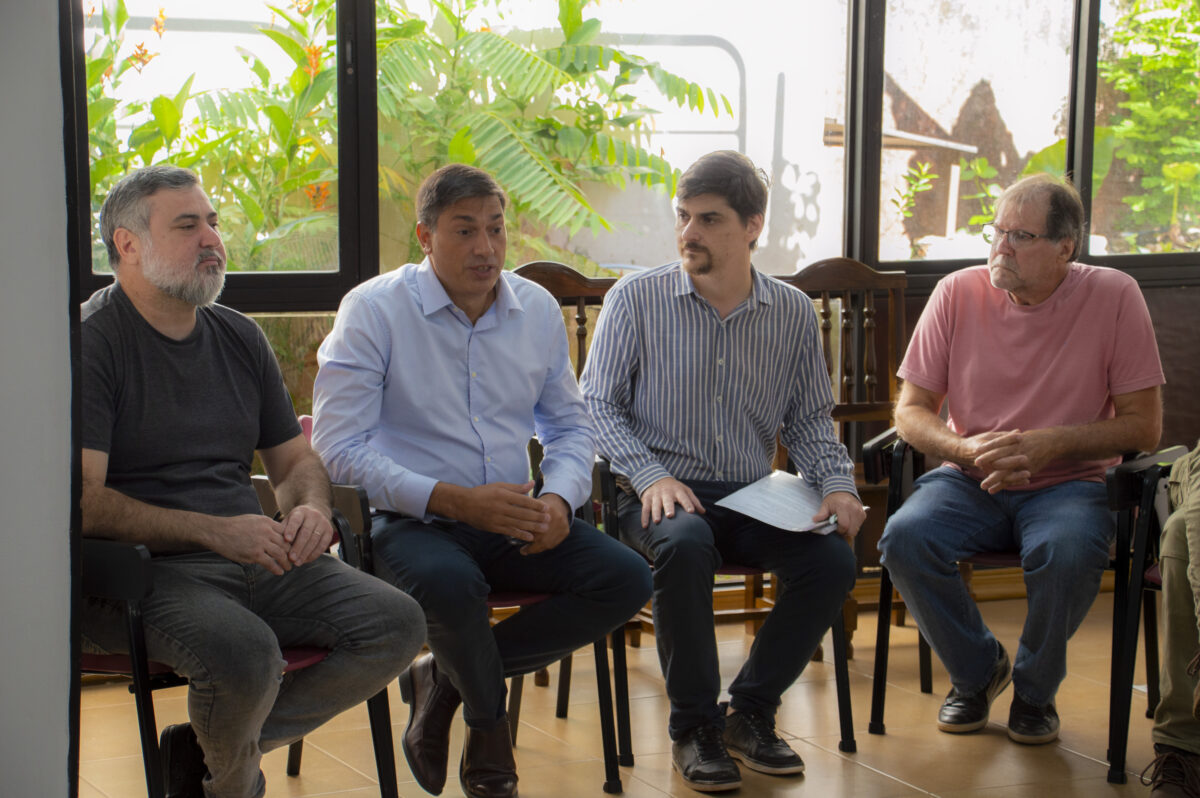
Extreme heat in the NEA
The Preventive Coordination Table was activated in the face of the extreme risk of fires
Faced with the adverse climate scenario that the region is going through, characterized by a marked deficit of rainfall and high temperatures, the Ministry of Ecology and Renewable Natural Resources convened the "Fire Prevention Coordination Table 2026". The meeting, led by Minister Arch. Martín Recamán, brought together undersecretaries, directors of the Provincial Fire Management Plan, Police Firefighters and Volunteers, and representatives of the National Fire Management System.
During the meeting it was confirmed that the Fire Danger Index has reached extreme levels in much of the territory, especially in the South (Inns, Apostles) and Center areas. Forecasts indicate that the "La Niña" phenomenon will continue to affect soil moisture during February and March. Joint strategies were defined to intensify patrols, monitoring and awareness actions, remembering that burning is strictly prohibited. "If there is no fire in Misiones, there will be no forest fires," the authorities emphasized, calling for citizen responsibility.
Program Basis
The REDD+ Missions Benefit-Sharing Mechanism
The Misiones REDD+ Jurisdictional Program has a solid design for its Benefit Distribution Mechanism (MDB), the component that defines how the resources derived from the valorization of the environmental services of the missionary forest are allocated. This system was structured under the international standards of the Verra methodology (JNR) to ensure transparency and equity.
Resource Distribution Structure:
The mechanism organizes the flow of funds through a trust scheme divided into three strategic accounts, ensuring that the benefit reaches all sectors involved in the protection of the native forest:
Project and Sustainable Development Account: It finances initiatives that promote the conservation and sustainable local development of municipalities; NGOs/SMEs; Cooperatives; Public and Private Productive Sector; Educational institutions; indigenous peoples.
Private Property Incentive Account: Intended for native forest owners who maintain their forest cover. This scheme includes special categories for smallholders and private reserves, recognizing their direct effort in climate change mitigation.
Institutional Strengthening Account: It ensures the continuity of State policies on satellite monitoring, forest fire prevention and environmental control throughout the provincial territory.
Beyond the economic retribution, the program establishes a series of fundamental non-monetary benefits for the province:
Governance: Strengthening the institutional capacities of the ministries involved.
Technology: Improved early warning and firefighting systems.
Legal Security: Certainty for owners who decide to opt for conservation.
In addition, access to these benefits is linked to external audit processes that verify the emission reductions achieved by the province. Once the carbon credits are validated and marketed in the international market, the distribution mechanism is activated according to the registrations and accessions of each beneficiary sector.
With this design, Misiones reaffirms its commitment to transform biodiversity conservation into a tool for economic and social development for the entire community.
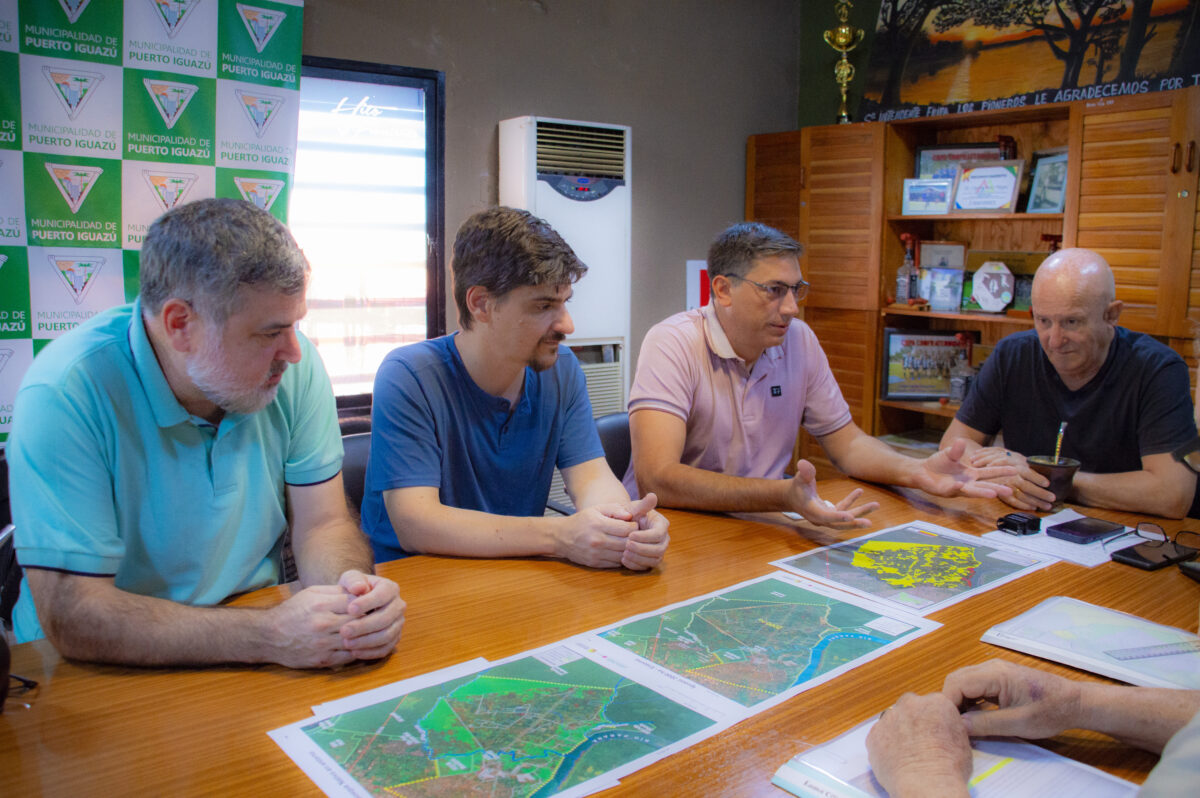
Initiative to manage urban growth and protect native forest
2nd Provincial Plan for Sustainable Forest Management in Interface Areas
The Minister of Ecology and Renewable Natural Resources of Misiones, Arch. Martín Recamán, together with the mayor of Puerto Iguazú, Claudio Filippa, launched the 2nd Provincial Plan for Sustainable Forest Management in Interface Zones, an initiative aimed at ordering urban growth and protecting native forest in sectors where cities come into direct contact with natural environments of high ecological value. In this framework, the provincial and municipal authorities toured the 2000 Hectare area, the area where the project will be developed. The undersecretary of Territorial Planning, Lucas Russo; the undersecretary of Ecology, Facundo Ringa; and the director of IMiBio, Dr. Emanuel Grassi, among other officials and technicians, also participated in the planning day.
This Plan, aligned with the National REDD+ Strategy, is framed within the following Structural Strategic Axes (SSA) and Operational Strategic Axes (OSA) of the "Provincial Strategy for the Reduction of Emissions from Deforestation and Degradation (REDD+) of Forests" approved by Resolution No. 241/23 dated 09/01/2023 of the Ministry of Ecology and RNR of the Province of Misiones. EEA 1: Strengthening governance. EEE 2: Strengthening local communities. EEE 3: Strengthening management, control and monitoring capacities. EEA 4: Recognition of the importance of native forests as a good for society. EEO 6: Territorial planning. EEO 7: Sustainable forest management. EEO 8: Conservation in productive landscapes.
The plan is developed in the peri-urban area known as "the 2000 Hectares", located in the southern quadrant of the urban ejido of Puerto Iguazú, which began to be occupied in 2000. It is a strategic area due to its location as a transition area between the Iguazú National Park, the Puerto Peninsula Provincial Park and various municipal nature reserves, forming an environmental corridor of great importance for wildlife.
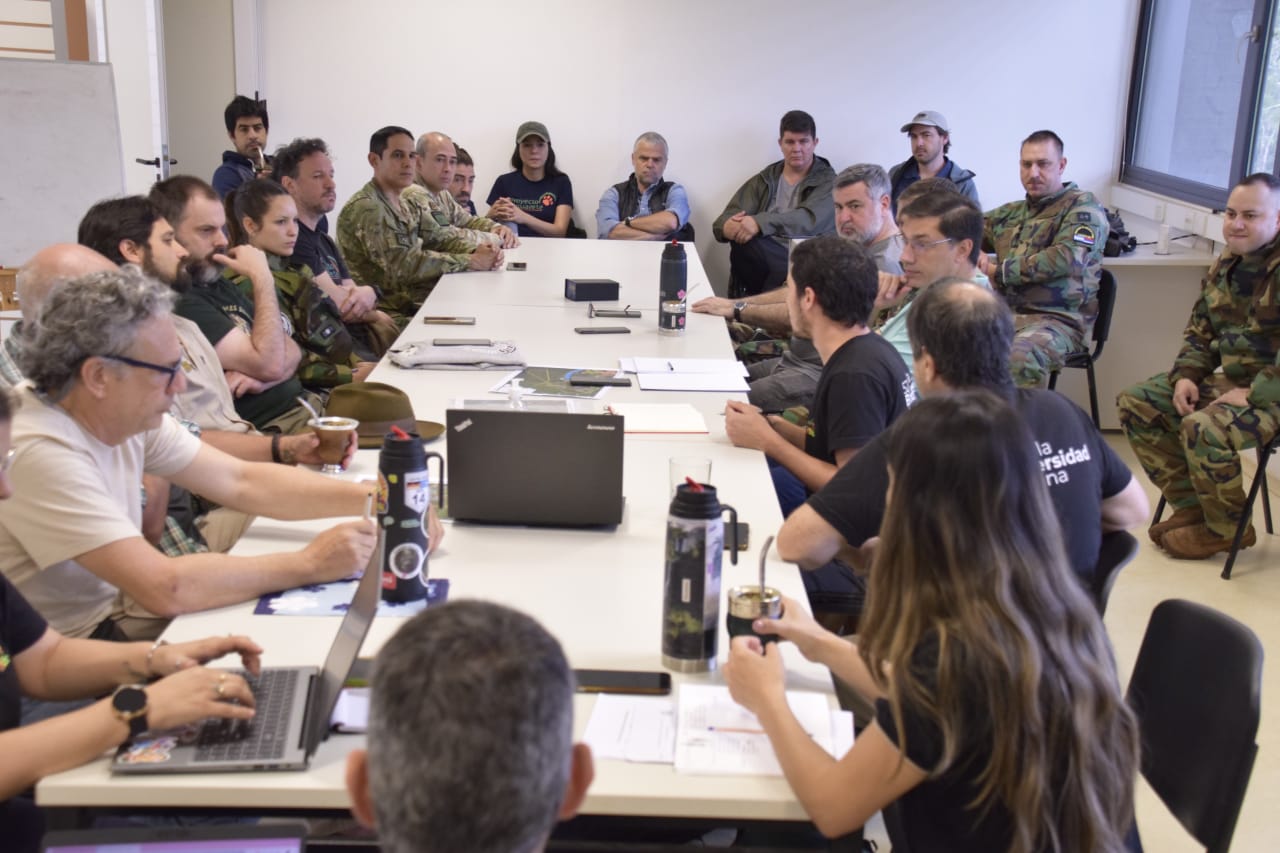
Selva Paranaense Subcommittee
Protecting the jaguar is protecting our Jungle!
The Selva Paranaense Subcommission strengthens the joint work between science, government and civil society to care for the largest feline in America. Misiones is home to the largest population of jaguars in the country, and its conservation is a strategic priority.
What does the Sub-Commission do?
- Genetic monitoring, wildlife control, environmental education and improvements in provincial parks.
- Highlights: The successful translocation of the "Pará" jaguar to a protected area, ensuring its safety and that of the community.
Under the coordination of the Ministry of Ecology and integrated by organizations such as IMiBio, National Parks, Fundación Vida Silvestre and CONICET, this subcommission works on key axes: population monitoring, poaching control, conflict resolution with local communities and prevention of collisions on routes.
Why is it relevant to the JNR Program?
The conservation of the jaguar, through Provincial Law XVI - No. 78 (formerly Law 4137) which establishes the Provincial Plan for the Conservation of Big Cats (jaguar and puma), is intrinsically linked to the preservation of the habitat. The JNR Program in Misiones has as its central objective to reduce emissions from deforestation and forest degradation. Protecting the big cat means protecting biological corridors and large tracts of bush that act as carbon sinks.
Without jungle there is no jaguar, and without jaguar, the ecosystem balance that sustains our climate goals is weakened.
Recent milestones, such as the successful transfer of the female "Pará" and her cubs, demonstrate that technical and scientific articulation is the way to ensure that the development of the province is compatible with wildlife.
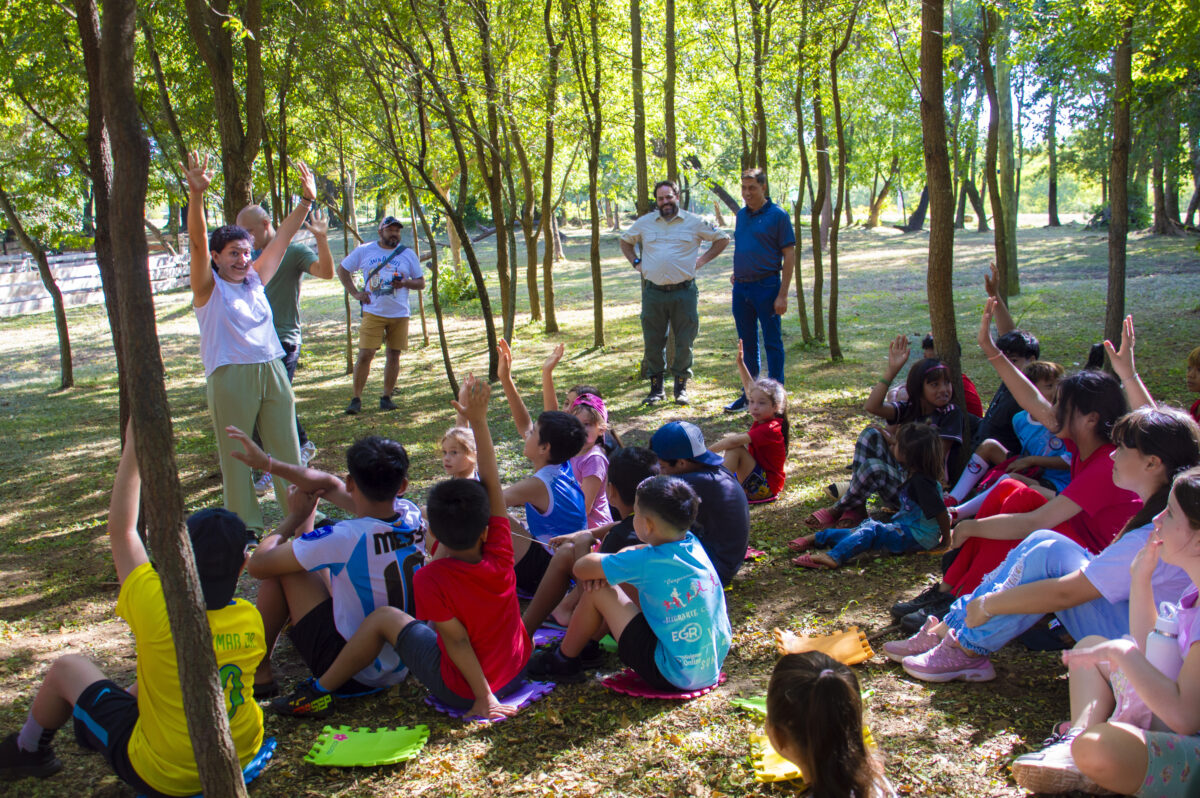
World CO₂ Emission Reduction Day
Day of Climate Action and Institutional Strengthening in the Provincial Capital of Pure Air
The Ministry of Ecology and RNR of the Province of Misiones and the Municipality of Profundidad led a day of climate action and institutional strengthening in the Provincial Capital of Pure Air within the framework of the World Day for the Reduction of CO₂ Emissions.
Under the slogan "The presence of carbon dioxide in the atmosphere is the responsibility of those who inhabit the planet", strategic actions were carried out to consolidate the agroecological profile of the region:
- Mitigation and Conservation: Planting of native specimens for carbon capture and preservation of biodiversity.
- Strengthening of Protected Areas: Inauguration of new infrastructure in the Cañadón Provincial Park, optimizing the management of our natural resources.
- Environmental Education: Awareness-raising workshops for the community and pedagogical activities for children, guaranteeing generational renewal in conservation.
- Culture and Heritage: Presentation of an artistic mural that highlights the biological identity of Misiones.
Minister Arch. Martín Recaman and Mayor Silvia Estigarribia ratified the commitment to work articulated between the Province and the Municipality to guarantee public policies that protect the natural heritage of all missionaries.
Quarterly Bulletin No. 3
We share the Quarterly Information Bulletin No. 3 of the Jurisdictional REDD+ Program of the Province of Misiones, corresponding to the period of September, October, and November 2025.
The document presents the main advances and actions developed within the framework of the Environmental Services Benefits Program, highlighting inter-institutional work oriented towards the conservation of native forests, sustainable management, fire prevention, forest monitoring and control, restoration of degraded areas, and the strengthening of climate governance.
Furthermore, the bulletin reflects the progress in the coordination between provincial agencies, municipalities, communities, productive sectors, and strategic actors, consolidating public policies that promote sustainable development, the protection of ecosystem services, and climate action within the framework of the Provincial REDD+ Strategy.
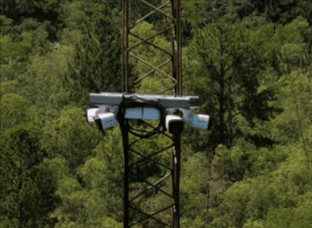
Surveillance towers monitoring the territory 24 hours a day
New Forest Fire Early Warning System
The Government of the Province of Misiones, through the Ministry of Ecology and Renewable Natural Resources, launched in December 2025 the new Forest Fire Early Warning System, with surveillance towers that monitor the territory 24 hours a day, in real time. Thanks to 360° cameras and artificial intelligence, the system immediately detects smoke and activates automatic alerts.
This allows us to act faster and protect your home, production, and our native forest.
In this first stage, the towers are already operating at three strategic points of the Green Corridor: Provincial Park of the Sierra, Yabotí Biosphere Reserve, and Urugua-í Provincial Park.
In addition, we incorporated new equipment, personal protection, and rapid attack units to strengthen the work of firefighters and park rangers.
Prevention is anticipation. Misiones counts on you.

EcoMisiones Podcast
We launched Episode 4
From Cancun to Verra: The triple alignment for conservation. Discover how Misiones has turned environmental protection into a strategic and sustainable State policy through its entry into the carbon credit market. This episode explains the triple alignment necessary for the program to have value in the global market: compliance with the ethical safeguards of Cancun, integration into Argentina's national SIS-AR system, and rigorous certification from the international organization Verra. Learn about the SIS (Safeguards Information System) that demonstrates Misiones' commitment to transparency.
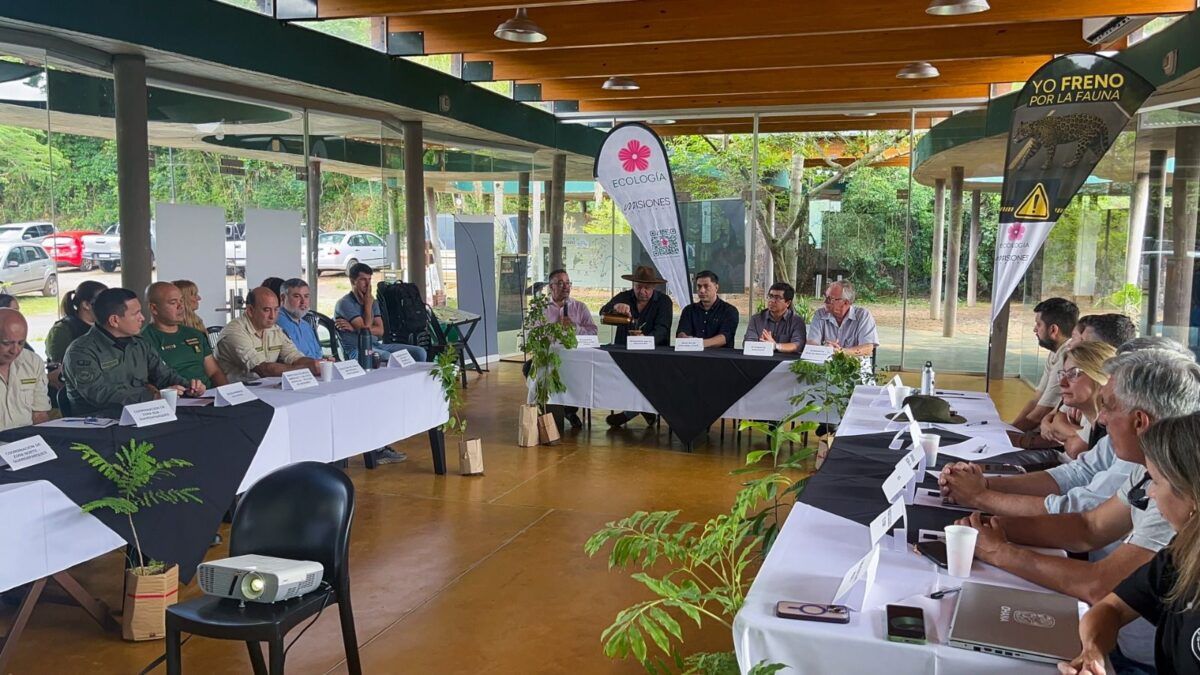
Wildlife Resolution Project
Misiones advances in the protection of Wildlife!
The Ministry of Ecology and Renewable Natural Resources of Misiones is working on comprehensive and updated regulations to organize and supervise the conservation of our wildlife.
On December 2, at the Salto Encantado Provincial Park, a crucial meeting was held to discuss the Wildlife Resolution Project.
Who participated? A broad spectrum of specialists, NGOs, provincial and national agencies, and security forces: IMiBio, Aves Argentinas, the Güira Oga, OHANA, and El Puma rescue centers, INTA, UNaM, National Gendarmerie, and more.
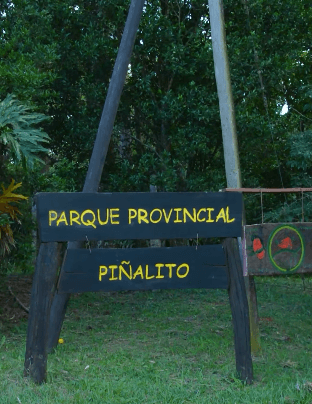
Key agreement to enhance protection and restoration of Piñalito Sur Provincial Park
Strategic alliance for the heart of Misiones!
The Ministry of Ecology and Renewable Natural Resources and the Municipality of San Pedro sealed a key agreement to enhance the protection and restoration of the Piñalito Sur Provincial Park, one of the most biodiverse territories in our province.
This new joint work scheme includes: Robust 24/7 surveillance with satellite images to detect movements in real time and strengthen Park surveillance; Opening of internal paths to access affected areas; improve territorial control through machinery and personnel from the Ministry of Ecology along with collaboration from municipal surveyors.
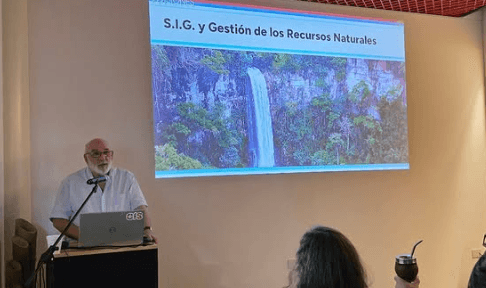
7th edition of GIS Day Misiones
GIS to care for Misiones: Data that transforms territories
Under the motto "GIS to care for Misiones: Data that transforms territories", the 7th edition of GIS Day Misiones was held on Wednesday, November 19 at the Misiones Biodiversity Institute (IMiBio) headquarters.
The event, organized by VISES S.R.L. with the collaboration of IMiBio and the Ministry of Ecology and Renewable Natural Resources, brought together researchers, technicians, and professionals from various areas related to technological innovation, territorial planning, and geographic data management.
#NoMeQuemés Campaign in the interior of the Province of Misiones
Prevention actions in San Ignacio
Within the framework of this past long November weekend, the Ministry of Ecology and Renewable Natural Resources doubled down on the #NoMeQuemés campaign.
Technical teams toured the Jesuit Reductions of San Ignacio Miní to raise awareness among visitors and locals about the extreme importance of taking precautions in the face of high temperatures.
How can you help?
Respect authorized areas. Never start fires in vegetation areas. Take your waste back with you. In case of any fire: 911.
Misiones advances with a firm environmental policy, uniting tourism and conservation.
Misiones continues to lead in conservation policies
Consolidating environmental leadership: Launch of "Respiremos Bosques"
On November 20, 2025, the "Respiremos Bosques" (Let's Breathe Forests) campaign was launched in San Pedro, a strategic initiative that reaffirms our role as custodians of the largest biodiversity remnant in the country.
The event, led by the Ministry of Ecology and Renewable Natural Resources at the Araucaria Provincial Park, not only highlighted our natural heritage but also presented key technical tools such as the "Forest Backpack" for education and prevention.
It is essential to highlight the coordination between provincial management and municipalities to promote Sustainable Native Forest Management and strengthen fire prevention heading into the summer season.

From the Red Earth to the Amazon: Misiones sets the agenda
Belém is today the world epicenter of climate discussion and Misiones was present
At the CAF panel, the province showed its strongest card: coherence. While the world debates future promises (NCQG, Goal 19), Misiones showed what it is already doing with its jungle and the ECO2 program.
How to scale investment to save biodiversity? That was the central question of the CAF panel in Belém, Brazil, and Misiones brought a concrete answer.
Faced with the global financing gap being analyzed at the summit, the province presented the ECO2 Program, demonstrating that conservation and development can go hand in hand.
EcoMisiones Podcast
We launched Episode 3
Episode 3: What are the Cancun Safeguards? The ethical basis of REDD+
Beyond measuring carbon, forest projects must comply with clear rules of coexistence and environmental respect. In this episode, we talk about the 7 Cancun Safeguards established by the UNFCCC.
Discover why they are mandatory for any initiative seeking climate financing and how they guarantee environmental and social integrity.
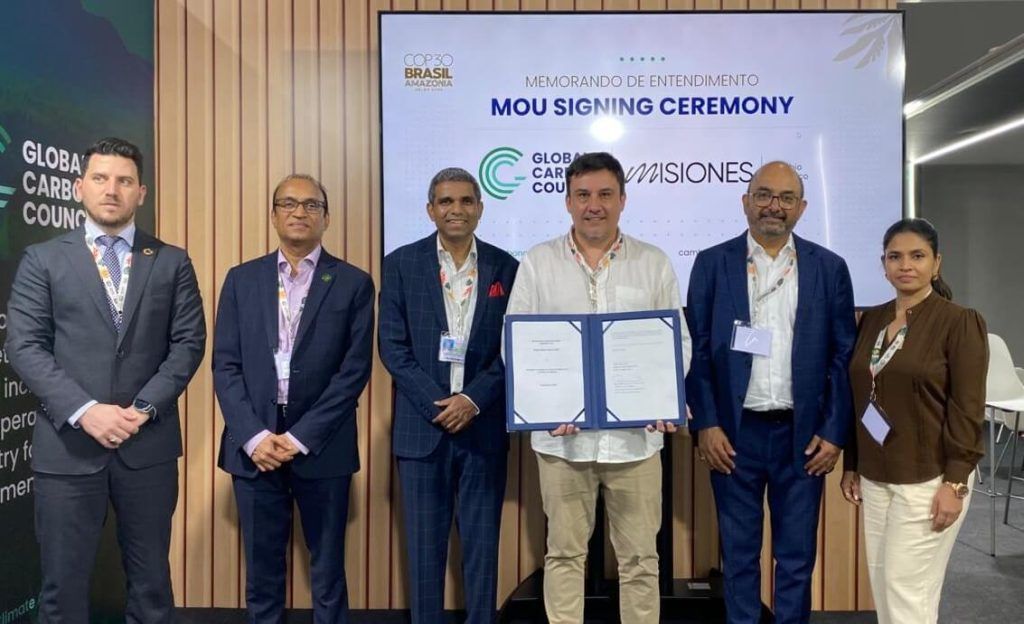
Strategic alliance signature with the Global Carbon Council (GCC)
Misiones takes a quality leap in International Carbon Markets
From COP30 in Belém, key news for the region. The province of Misiones has just closed a strategic alliance with the Global Carbon Council (GCC).
The agreement was formalized through a Memorandum of Understanding.
The document was signed by Dr. Yousef Alhorr, Founding President of the GCC, and the Secretary of State for Climate Change of Misiones, Lic. Gervasio Malagrida, reinforcing the commitment of both parties to build a solid carbon market infrastructure, support sustainable development, and promote regional and international cooperation under the Paris Agreement.

Taking place in Belém, Brazil, from November 10 to 21, 2025
COP30 Amazonia has begun
COP30 officially kicked off on Monday, November 10, 2025, in Belém do Pará, in the heart of the Brazilian Amazon.
It is the first climate summit in Latin America in a decade and brings together 165 countries, more than 50,000 accredited participants, and 57 leaders such as Emmanuel Macron (President of the French Republic); Luiz Inácio "Lula" da Silva (President of the Republic of Brazil); and many more, with the aim of agreeing on urgent measures to keep global warming below 1.5°C compared to pre-industrial levels, according to the 2015 Paris Agreement.
New Episode of our Podcast
The MDB of REDD+ Misiones
Is it possible for protecting the jungle to generate direct income for communities, small landowners, and finance public policies? In Misiones, this is a reality under construction thanks to the jurisdictional REDD+ program.
This episode of "EcoMisiones" breaks down the innovative Benefit Distribution Mechanism (BDM). Discover how the money obtained from carbon credits, certified under the international Verra standard, is distributed in three large accounts.
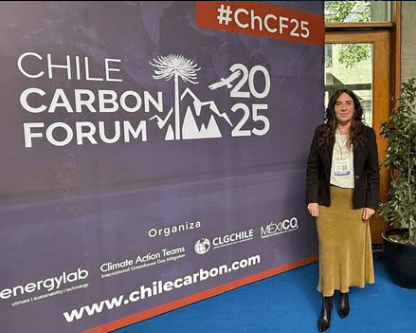
Misiones presented the ECO2 Program in Chile
Misiones presented its REDD+ program and the ECO2 model at the Chile Carbon Forum
Misiones strengthened its climate leadership at the Chile Carbon Forum 2025, the reference event for carbon market development in the neighboring country. This new edition brought together sector leaders, carbon market experts, government agencies, and key players from Chile, Argentina, and Mexico to analyze advances, challenges, and opportunities in a context of increasing regulation and new climate investment dynamics.
Verra and the Province of Misiones lead dialogue on the future and integrity of carbon markets in Latin America
Misiones and Verra analyzed the present and future of carbon markets in a participatory workshop.
In a key event for the future of regional climate action, the Province of Misiones, in collaboration with Verra, the renowned US-based NGO headquartered in Washington, D.C. that manages environmental certification standards, held an informative workshop in September 2025 on the current state and perspectives of carbon markets.
Updated version of the document called Program Description
The Misiones Jurisdictional REDD+ Program is currently undergoing validation and verification. AENOR, the independent auditor, is evaluating various aspects of the Program such as the forest emission reference level, the emission calculation methodology, and monitoring plans. The auditor has issued a document with findings and questions. The GPM has addressed these findings and the current version of the Program Description includes the corresponding modifications. Because the working language of the JNR Framework is English, the Program Description has been prepared in that language. However, the document will be translated into Spanish once the final version is available.
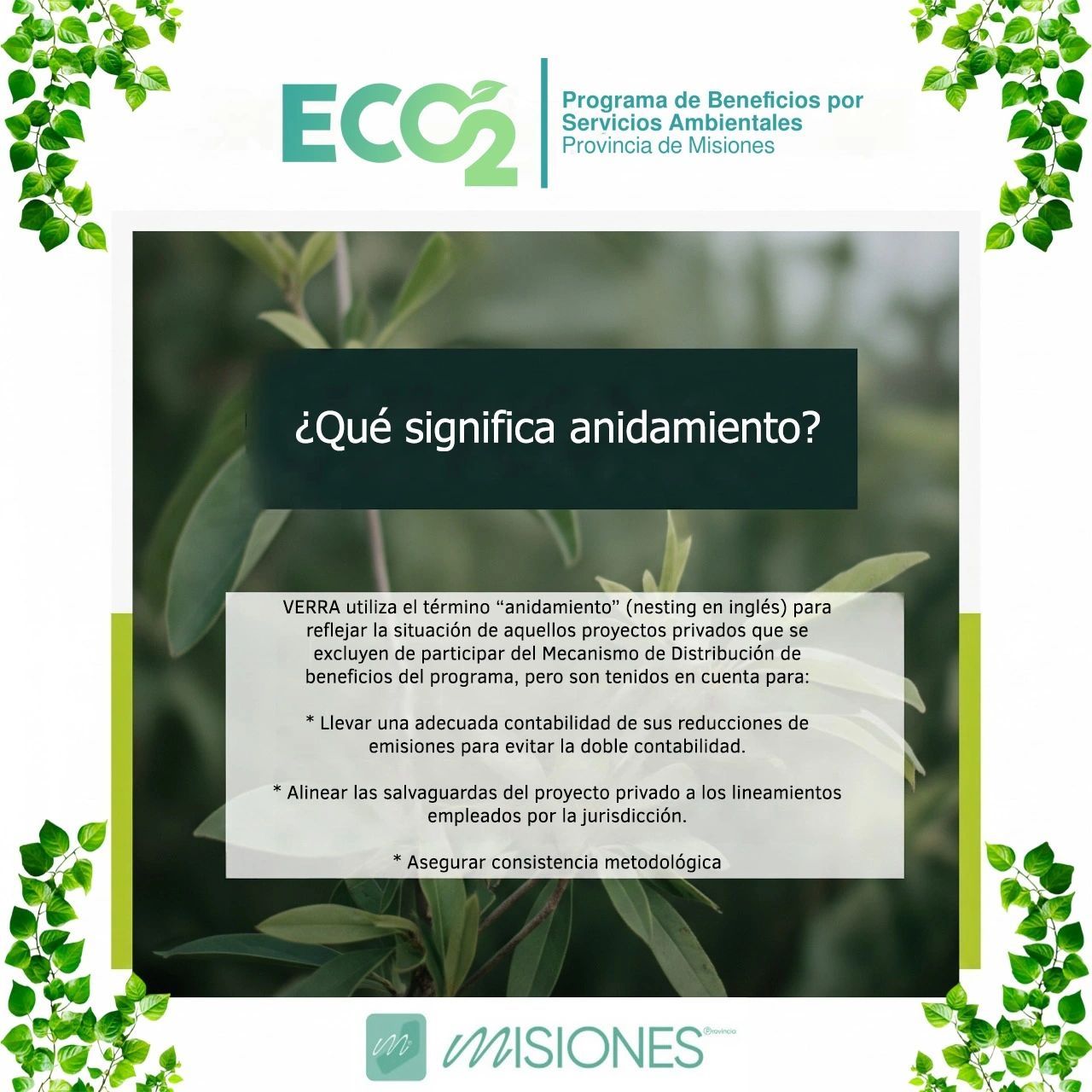
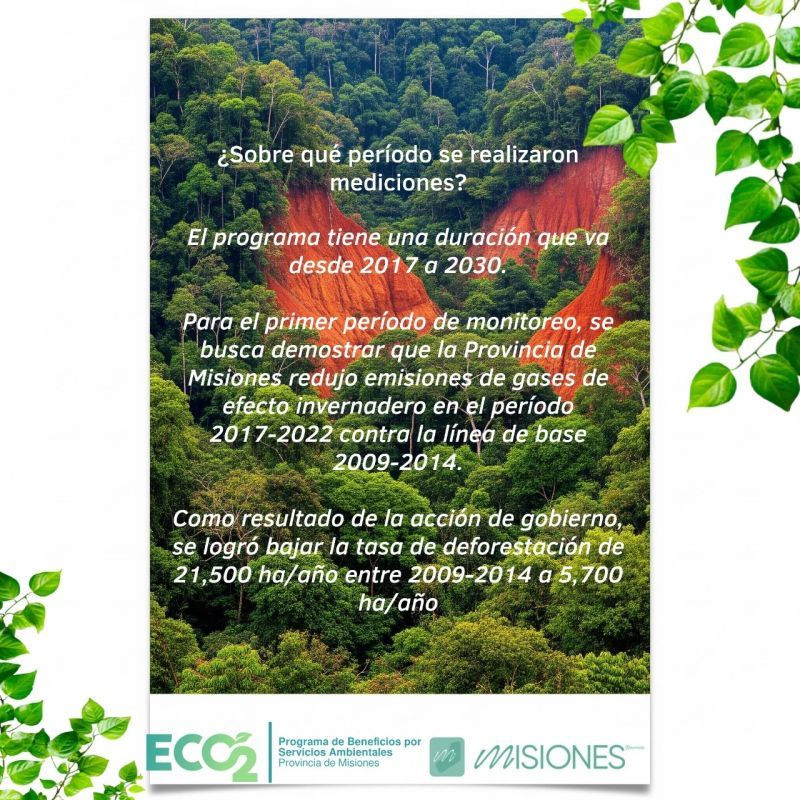
Emission reduction
Reduction of deforestation and GHG emissions since 2017
Inspiring numbers! 😊
The Misiones Environmental Services Benefits Program demonstrates concrete results: a significant reduction in deforestation and GHG emissions since 2017.
We want you to be part of this success story. 👏
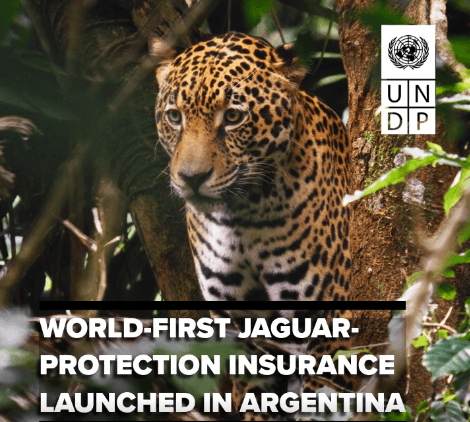
Insurance to protect the jaguar
🌿 From the Jurisdictional REDD+ Program of Misiones we celebrate this innovative insurance initiative to protect the jaguar 🐆, a key species for the health of our ecosystems and cultural symbol of the province. This financial instrument not only protects local producers against potential losses, but also promotes harmonious coexistence with biodiversity and reinforces the provincial commitment to integrated climate and conservation solutions.